Author: AEI Supplies

What does McMaster-Carr supply?

McMaster-Carr supplies a very wide range of industrial, commercial, and maintenance products. They are known for having one of the most complete catalogs in the industry, covering almost every MRO (Maintenance, Repair & Operations) need.

Here’s a clear breakdown of what McMaster-Carr supplies:

1. Fasteners & Hardware

  • Bolts, nuts, screws, washers
  • Anchors, rivets, pins
  • Retaining rings, threaded rods, spacers

2. Raw Materials

  • Metals (steel, aluminum, brass, copper, stainless steel)
  • Plastics (nylon, PTFE, UHMW, acrylic, polycarbonate)
  • Rubber and foam
  • Ceramics, composites, and insulation materials

3. Tools & Equipment

  • Hand tools and power tools
  • Cutting tools and abrasives
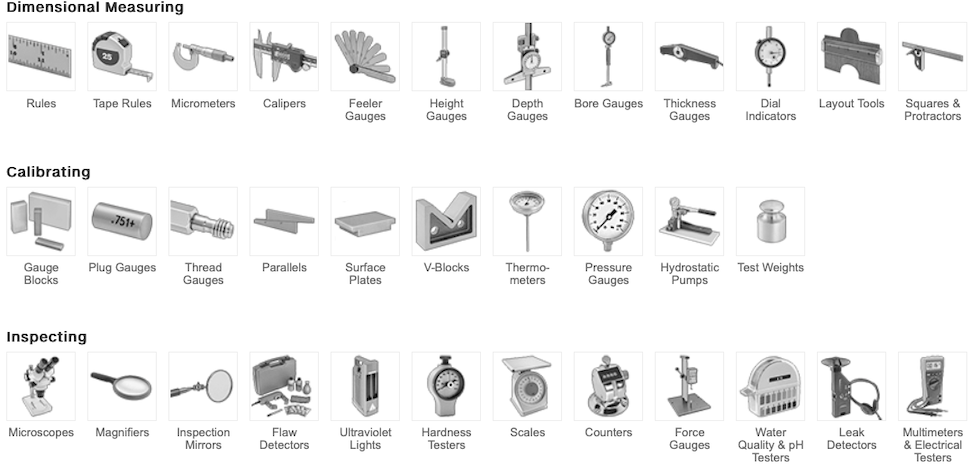
  • Measurement and inspection tools

4. Electrical Components

  • Cables, connectors, wire
  • Switches, sensors, relays
  • Enclosures and electrical fittings

5. Plumbing & Fluid Control

  • Pipes, valves, fittings
  • Pumps, hoses, tubing
  • Gaskets, seals, and fluid-handling components

6. Bearings & Power Transmission

  • Bearings, bushings
  • Chains, belts, sprockets, pulleys
  • Gearboxes and couplings

7. Material Handling & Storage

  • Carts, dollies, ladders
  • Racks, bins, storage containers

8. Safety & Maintenance Supplies

  • PPE (gloves, goggles, masks)
  • Lockout/tagout equipment
  • Cleaning and facility maintenance supplies

9. HVAC & Temperature Control

  • Fans, blowers, ducting
  • Heating elements and ventilation equipment

10. Laboratory Supplies

  • Containers, tubing, clamps
  • Basic lab equipment and instruments

For any requirement related to McMaster-Carr Products

Feel free to connect with our team and we will serve you with latest quote as soon as possible.

Why Partnering With a McMaster-Carr Supplier Streamlines Your Industrial Operations

Being McMaster Carr Supplier

In today’s fast-moving industrial world, downtime is expensive and efficiency is critical. Whether you manage a manufacturing plant, maintain facility operations, or handle procurement for a growing company, having access to high-quality components—quickly—is essential. That’s where working with a trusted McMaster-Carr supplier makes all the difference.

What Makes McMaster-Carr So Valuable?

McMaster-Carr is known for one thing above all else: reliability. With more than half a million products—fasteners, electrical components, raw materials, tools, plumbing parts, and more—their catalog supports virtually every maintenance, repair, and operations (MRO) need.

Pair that with clear specifications, engineering-grade technical data, and CAD files, and it’s easy to see why engineers and purchasing teams rely on McMaster-Carr as their go-to resource.

Why Work With an Authorized McMaster-Carr Supplier?

While McMaster-Carr’s catalog is extensive, not every company can or wants to purchase directly. That’s where a specialized supplier (like us) helps streamline the process.

1. Faster Product Sourcing

We assist customers in selecting the exact parts they need—especially helpful when navigating complex options. Instead of searching through thousands of SKUs, you get curated recommendations fast.

2. Bulk Ordering and Cost Efficiency

When you work with a McMaster-Carr supplier, you can benefit from:

  • Consolidated orders
  • Competitive pricing
  • Reduced shipping costs
  • Bulk purchasing options

    This helps lower procurement overhead and simplifies your supply chain.

3. Personalized Support

Unlike buying directly online, we provide direct communication, technical guidance, and order tracking. If you need clarification on materials, compatibility, or alternatives, our team is here to help.

4. Reliable and Consistent Delivery

We ensure rapid fulfillment for commonly requested items and offer custom stocking solutions for recurring orders. This keeps your operations moving without interruptions.

Industries We Serve

As a McMaster-Carr supplier, we support a wide range of sectors, including:

  • Manufacturing
  • Construction
  • Automotive
  • Aerospace
  • Energy
  • Food processing
  • Maintenance and facilities management

If your equipment needs it, we can source it.

When industries across the Gulf need reliable, high-quality industrial components, they turn to suppliers who can deliver fast, accurately, and consistently. As a dedicated McMaster-Carr supplier serving the UAE, Kuwait, Qatar, Bahrain, Saudi Arabia, and the wider GCC, we help companies source the full range of McMaster-Carr products—efficiently and cost-effectively.

Why Industries in the Gulf Choose McMaster-Carr Products

McMaster-Carr is one of the world’s most trusted names in industrial supply. Their extensive catalog covers over half a million products, including:

  • Fasteners, bolts, and hardware
  • Bearings and power transmission components
  • Industrial tools and equipment
  • Raw materials (steel, aluminum, plastics, rubber)
  • Electrical and plumbing components
  • Safety and maintenance products

Engineers, procurement teams, and maintenance professionals rely on McMaster-Carr because of its superior product quality, detailed specifications, and unmatched variety.

Your Local Source for McMaster-Carr Products in the GCC

While McMaster-Carr is based in the United States, many companies in the Gulf need reliable access to their products without dealing with the challenges of international procurement.

This is where we come in.

1. Faster Delivery Across the Middle East

We handle the complete sourcing and logistics process, ensuring quick shipment to the UAE, KSA, Qatar, Kuwait, Bahrain, and other GCC countries.
Our streamlined supply chain helps customers avoid delays, customs challenges, and high international shipping fees.

2. Cost-Effective Sourcing

We provide:

  • Competitive pricing
  • Consolidated shipments
  • Bulk order options
  • Tailored procurement solutions for recurring needs
  • This helps businesses reduce costs and simplify their operations.

3. Technical Support for GCC Industries

Our team is familiar with the industrial standards and requirements across the Gulf region. Whether your project involves:

  • Oil & Gas
  • Petrochemical plants
  • Construction and infrastructure
  • Power and water utilities
  • Manufacturing and fabrication
  • Marine and offshore operations

We help you identify the exact McMaster-Carr parts you need—quickly and accurately.

4. End-to-End Procurement & Follow-Up

From product selection to quotation to delivery tracking, we provide a complete service experience.
Customers receive reliable communication, accurate documentation, and full support until the order reaches their site.

Serving All Major GCC Markets

We proudly supply McMaster-Carr products to:

🇦🇪 United Arab Emirates — Dubai, Abu Dhabi, Sharjah, and all Emirates
🇸🇦 Saudi Arabia — Riyadh, Jeddah, Dammam, Jubail, NEOM, and more
🇶🇦 Qatar — Doha and industrial zones
🇰🇼 Kuwait — Shuwaikh, Ahmadi, and all regions
🇧🇭 Bahrain — Manama and surrounding industrial areas
🇴🇲 Oman (optional to include if you serve it)

Our GCC-wide network ensures smooth supply for both large-scale industrial projects and smaller maintenance needs.

What is McMaster best known for?

McMaster-Carr is best known for being a one-stop shop for industrial supplies and hardware, offering an incredibly broad range of products across numerous industries. Its reputation is built on several key attributes:

1. Vast Product Catalog

McMaster-Carr is widely recognized for having a massive inventory of over 700,000 items. They stock a wide range of industrial supplies, including tools, fasteners, raw materials, plumbing, electrical components, safety equipment, office supplies, and even laboratory equipment. Whether you’re looking for a specific part or need to source everything from a bolt to a motor, McMaster-Carr’s catalog is one of the most comprehensive in the industry.

2. Fast Shipping and Reliable Delivery

One of the hallmarks of McMaster-Carr’s reputation is its quick shipping. They are known for fast, often same-day or next-day shipping, which is crucial for businesses that need products quickly to keep operations running smoothly. This reliability makes McMaster-Carr a trusted partner for many industries, particularly manufacturing, construction, and engineering.

3. User-Friendly Website and Searchability

McMaster-Carr’s website is designed with simplicity and efficiency in mind. Its advanced search features allow customers to quickly find the right part or product by entering keywords, categories, or specific part numbers. This makes it easy to source hard-to-find items or browse through vast catalogs without feeling overwhelmed.

4. Quality and Dependability

McMaster-Carr is known for offering high-quality products from well-regarded brands and manufacturers. They take care to stock products that meet specific performance standards, which makes them a go-to supplier for industries where quality is a top priority.

5. Customer Service

While the company is largely recognized for its catalog and quick delivery, McMaster-Carr also has a strong reputation for outstanding customer service. Their support team is available to help with product inquiries, technical support, and troubleshooting, ensuring that customers can get the assistance they need to make informed purchasing decisions.

6. Wide Industry Reach

McMaster-Carr serves a diverse range of industries, including:

  • Manufacturing
  • Automotive
  • Construction
  • HVAC
  • Laboratories and Research
  • Electrical and Electronics
  • Safety and PPE

Their broad industry reach has allowed them to maintain a strong presence in multiple sectors, making them a versatile resource for businesses across various fields.

7. Custom Solutions and Special Orders

McMaster-Carr also offers custom products or special orders for customers with very specific needs. Whether it’s a custom length of pipe or a tailored mechanical part, McMaster-Carr is known to accommodate specialized requests, offering businesses flexibility in their supply chain.

For any requirement related to McMaster-Carr Products

Feel free to connect with our team and we will serve you with latest quote as soon as possible.

How Many Items Does McMaster-Carr Have?

The Power of a Comprehensive Catalog in the Industrial Supply World

When it comes to industrial supplies, McMaster-Carr is a name that many professionals and businesses know well. With a reputation for offering a broad range of products, from hardware to office supplies, McMaster-Carr has become a go-to source for companies around the world. But just how many items does McMaster-Carr actually have in its catalog? As of the latest estimates, the company boasts an astounding over 700,000 items in its inventory, covering almost every imaginable need in the industrial and manufacturing sectors.

What Makes McMaster-Carr’s Catalog So Impressive?

The sheer volume of products that McMaster-Carr offers is a testament to its dedication to meeting the needs of professionals across a variety of industries. The diversity of their catalog makes it a one-stop shop for many companies looking to source everything from tools and materials to fasteners and chemicals.

Wide Range of Categories: McMaster-Carr covers everything from raw materials, plumbing parts, fasteners, motors, adhesives, and safety equipment to electrical components, office supplies, and even laboratory equipment. This range allows businesses to streamline their purchasing processes and reduce the hassle of dealing with multiple suppliers.

Speedy Shipping: With over 700,000 items in stock, McMaster-Carr has become known for its quick shipping, often delivering items within 1-2 business days. This kind of efficiency is critical for industries that rely on fast turnaround times.

Expert Search Capabilities: One of the standout features of McMaster-Carr’s website is its intuitive search engine. Whether you’re looking for a specific part number or browsing by category, McMaster-Carr’s online catalog makes it easy to find what you need in a matter of minutes.

How Does AEI Supplies Compare?

While McMaster-Carr may be one of the giants in the industrial supply space, it’s important to remember that there are other suppliers that focus on providing exceptional service and high-quality products. AEI Supplies is one such company that prides itself on offering a carefully curated range of industrial and maintenance products.

Tailored to Specific Needs: Unlike the vast catalog of McMaster-Carr, AEI Supplies focuses on providing products that are specifically suited to industries such as electrical, HVAC, safety, and maintenance. This focus allows AEI Supplies to deliver highly specialized, quality products with a more personalized approach.

Customer-Centric Service: AEI Supplies is known for its customer-centric service. Whether it’s providing technical support, helping businesses find the right solutions, or offering competitive pricing, AEI Supplies aims to make the purchasing process as smooth and efficient as possible.

Streamlined Inventory: While AEI Supplies may not have the same sheer volume of products as McMaster-Carr, their carefully selected inventory allows them to offer highly focused, reliable options that businesses can depend on without feeling overwhelmed by choice.

Why Catalog Size Isn’t Everything

While McMaster-Carr’s catalog of over 700,000 items may seem overwhelming, the truth is that bigger isn’t always better. In some cases, companies prefer a more tailored approach when choosing industrial supplies. AEI Supplies offers a curated range of products that are handpicked for quality, performance, and customer satisfaction.

AEI Supplies also focuses on building relationships with clients and helping them find the right products for their specific needs, which is something a huge catalog might lack. Personalization, reliable customer service, and a focus on high-quality products are often just as valuable as sheer quantity.

Final Thoughts: Which Supplier is Right for You?

When choosing between McMaster-Carr, AEI Supplies, or any other supplier, it ultimately comes down to your unique business needs. If you need a vast array of products and immediate delivery, McMaster-Carr’s extensive catalog could be the perfect solution. However, if you prefer a more curated selection with a focus on customer service, AEI Supplies may be the right fit.

At AEI Supplies, we are dedicated to providing high-quality industrial products with a personal touch. Whether you’re looking for a specific part or need help finding the right solutions for your business, we’re here to support you every step of the way.

For any requirement related to McMaster-Carr Products

Feel free to connect with our team and we will serve you with latest quote as soon as possible.

Does Forged Steel Rust?

Does Forged Steel Rust? All You Need To Know

Forged steel is a popular choice for many applications. People use it in everything from construction to tools. But one common question arises: does forged steel rust? In this article, we will explore what forged steel is, how it interacts with rust, and what you can do to prevent it from rusting.

What Is Forged Steel?

Forged steel is a type of steel that undergoes a special manufacturing process. During forging, the steel is heated and then shaped using pressure. This process makes forged steel stronger and more durable than other types of steel.

Many industries use forged steel due to its strength and reliability. It is often found in automotive parts, machinery, and construction materials. Forged steel can withstand heavy loads and resist deformation. However, like all metals, forged steel is not immune to rust.

What is the Difference Between Forged and Welded Fittings?

What Causes Rust?

Rust is a form of corrosion that occurs when iron or steel reacts with moisture and oxygen. When these elements come together, they create iron oxide, commonly known as rust. Rust weakens the metal and can lead to significant damage over time.

While forged steel is stronger, it still contains iron. Therefore, it can rust under the right conditions. Factors like humidity, exposure to water, and contact with certain chemicals can speed up the rusting process.

How Forged Steel Resists Rust

Although forged steel can rust, it has some advantages over other types of steel. The forging process creates a dense, uniform structure. This structure can help reduce the likelihood of rust formation.

The surface of forged steel can also be treated to improve its rust resistance. Common treatments include applying a protective coating or using stainless steel alloys. Stainless steel contains chromium, which forms a protective layer on the surface. This layer helps to keep moisture and oxygen from reaching the steel, thus preventing rust.

The Importance of Maintenance

To keep forged steel from rusting, regular maintenance is crucial. Here are some steps you can take to prevent rust:

1. Keep It Dry

Moisture is the enemy of forged steel. To reduce the risk of rust, ensure that your forged steel products are stored in a dry place. If possible, keep them indoors and away from direct contact with water.

2. Clean Regularly

Dirt and debris can trap moisture against the steel, leading to rust. Regularly clean your forged steel items to remove any contaminants. Use a soft cloth and mild soap to gently wipe the surface. Avoid using harsh chemicals that can damage the steel.

3. Apply a Protective Coating

Applying a protective coating can significantly reduce rust formation. There are various products available, such as paints or sealants, that can create a barrier between the steel and the environment. Be sure to choose a coating that is specifically designed for metal surfaces.

4. Use Stainless Steel Alloys

If rust is a significant concern, consider using stainless steel alloys. These alloys contain chromium, which helps to prevent rust. While they may be more expensive, they can save you money in the long run by reducing maintenance costs.

The Environment Matters

The environment in which forged steel is used also plays a role in rust formation. In coastal areas, for example, the presence of saltwater can accelerate rusting. If your forged steel is exposed to harsh conditions, it may require more frequent maintenance.

Similarly, industrial environments with chemicals and high humidity can increase the risk of rust. Be mindful of the surroundings and take extra precautions if necessary.

What is Process Equipment in Oil and Gas?

Signs of Rust

It is essential to inspect your forged steel regularly for any signs of rust. Early detection can help you address the issue before it becomes severe. Here are some signs to look for:

  • Discoloration: If you notice any changes in colour on the surface of the steel, it could be an early sign of rust.
  • Pitting: Small holes or pits on the surface can indicate corrosion.
  • Flaking: If the steel starts to flake or peel, it is likely that rust is forming beneath the surface.

If you detect any of these signs, take action immediately. Remove any rust and reapply protective coatings as needed.

Conclusion

Forged steel can rust, but it is less likely to do so compared to other types of steel. By understanding what causes rust and taking preventative measures, you can help prolong the life of your forged steel products. Regular maintenance, protective coatings, and awareness of environmental factors are crucial in preventing rust.

So, the next time you ask, “Does forged steel rust?” remember that while it can, with the right care and attention, you can keep it in excellent condition for years to come.

Contact us Today!

Get Quality Forged Steel Products from AEI Supplies

At AEI Supplies, we understand the importance of high-quality forged steel products. Our range is designed to withstand the toughest conditions and resist rust effectively. Whether you need forged steel for construction, automotive parts, or any other application, we have you covered.

Don’t let rust compromise your projects. Visit our website or contact us today to learn more about our offerings and how we can help you choose the right products for your needs. Ensure your forged steel lasts longer and performs better with AEI Supplies!

Frequently Asked Questions

How can I prevent rust on forged steel?

To prevent rust, keep forged steel dry, clean it regularly, apply protective coatings, and store it in a controlled environment away from moisture.

What factors accelerate rusting in forged steel?

Humidity, exposure to water, saltwater, and certain chemicals can accelerate rusting in forged steel, making regular maintenance essential.

Is stainless steel better than forged steel against rust?

Yes, stainless steel offers better rust resistance due to its chromium content, which forms a protective layer, but forged steel is still a strong choice for many applications.

What should I do if I see rust on forged steel?

If you find rust, remove it immediately using a wire brush or sandpaper, clean the area, and apply a protective coating to prevent future rusting.

Are there specific grades of forged steel that resist rust?

Certain grades, such as those with added chromium or nickel, offer improved rust resistance. Always check the specifications to choose the best grade for your needs.

How often should I inspect forged steel for rust?

Inspect forged steel regularly, ideally every few months or after exposure to harsh conditions, to catch any signs of rust early and maintain its integrity.

Logistics Services

What Are Logistics Services? Types, Costs, and How to Choose

Logistics services are essential for any business that needs to move goods from one place to another. They cover a wide range of operations, from managing transportation to storing and packing goods. Whether you run an online shop, a large company, or a medical facility, understanding logistics can help you make smarter business decisions. This article will explain logistics services, their types, costs, and how to choose the right provider for your needs.

What Are Logistics Services?

Logistics services manage the entire process of getting goods from the supplier to the customer. This involves many steps, like transportation, warehousing, and order fulfillment. A good logistics provider will handle everything, from the safe storage of products to their timely delivery. By streamlining these processes, logistics services save businesses both time and money.

Some key services offered by logistics companies include:

  • Order fulfillment: Ensuring that the right products are packed and shipped accurately.
  • Inventory management: Keeping track of stock levels to ensure businesses don’t overstock or run out of products.
  • Returns management: Handling the return of goods from customers.
  • Customs clearance: Ensuring products meet international shipping regulations and clearing them through customs.
  • Warehousing: Storing goods in secure locations before shipping.

Each of these services plays a vital role in making sure products reach customers on time and in good condition.

What is Process Equipment in Oil and Gas?

Types of Logistics Services

There are several types of logistics services. Each one can be tailored to suit the specific needs of a business. Here are the main types:

1. Transportation Management

This is the most basic logistics service. It involves moving goods from one location to another, whether by land, sea, or air. Transport management includes route planning, freight forwarding, and tracking shipments. For businesses shipping products globally, transportation management also involves working with customs and regulations.

2. Warehousing and Storage

Warehousing is the safe storage of goods until they are needed. Many businesses use warehousing services to store products in bulk and ship them as orders come in. Proper warehousing ensures goods stay secure and undamaged, and it helps businesses avoid running out of stock.

3. Order Fulfillment

Order fulfillment involves everything from picking and packing items to shipping them to the customer. It’s a key part of the logistics process, especially for eCommerce businesses. A good logistics provider ensures that orders are processed quickly and correctly, reducing mistakes.

4. Inventory Management

Inventory management helps businesses keep track of how much stock they have. It prevents overstocking or understocking products. This service is especially important for businesses that sell a lot of different products. An efficient inventory management system ensures businesses always have enough stock without wasting money on excess goods.

5. Returns Management

Handling returns is an important part of logistics. This service ensures that any goods returned by customers are processed quickly and efficiently. It includes everything from inspecting returned items to restocking them or disposing of them if necessary.

What Is Oilfield Equipment?

Costs of Logistics Services

The cost of logistics services can vary depending on several factors. These factors include the size of your business, the types of products you ship, and the distance they need to travel. Here are some key costs to consider:

1. Transportation Costs

Transportation is usually the biggest expense in logistics. Costs will depend on the size and weight of your shipments, as well as the distance they need to travel. Shipping internationally will cost more due to customs fees and regulations. However, some providers offer discounted rates for bulk shipments or regular customers.

2. Warehousing Costs

The cost of warehousing depends on how much storage space you need and how long you need to store goods. Some providers charge by the square metre, while others charge based on the value of the products stored. Additional services, such as climate-controlled storage for sensitive goods, may also increase costs.

3. Order Fulfillment Costs

Order fulfillment fees cover the cost of picking, packing, and shipping products to customers. This cost can vary depending on the complexity of the order. For example, packing fragile items may cost more than packing simple, non-breakable items.

4. Inventory Management Costs

Inventory management systems can range in price depending on their complexity. Larger businesses with many products may need more advanced systems to track their stock levels. Smaller businesses may be able to manage their inventory with simpler, more affordable solutions.

How to Choose the Right Logistics Provider

Choosing the right logistics provider is crucial for the success of your business. Here are some tips on what to look for:

1. Reliability

A reliable logistics provider should deliver your products on time and without any damage. Ask potential providers about their track record for meeting delivery deadlines. You can also look at online reviews from other businesses to see if a provider is trustworthy.

2. Technology

Good logistics providers use advanced technology to track shipments, manage inventory, and optimize delivery routes. This not only improves efficiency but also gives you real-time updates on where your goods are at all times.

3. Experience

Choose a provider that has experience working with businesses like yours. Some providers specialize in specific industries, such as eCommerce, healthcare, or retail. The more experience they have, the better they will understand your needs.

4. Additional Services

Look for a logistics provider that offers more than just basic transportation. For example, they may offer warehousing, order fulfillment, and inventory management as part of their service. This can save you time and money, as you won’t need to work with multiple providers.

5. Cost

Finally, make sure the logistics provider offers services within your budget. Get quotes from several providers and compare their prices. Keep in mind that cheaper isn’t always better. Look for a provider that offers good value for money, balancing cost with reliability and service quality.

Conclusion

Logistics services are a vital part of any successful business, whether you’re shipping goods locally or internationally. By understanding the types of logistics services available, their costs, and how to choose the right provider, you can streamline your operations and ensure customer satisfaction. Taking the time to find the right logistics partner will help your business grow and thrive.

Contact us Today!

Why Choose AEI Supplies for Your Logistics Needs?

At AEI Supplies, we understand the importance of reliable and efficient logistics, especially when it comes to specialized industries like Gas & Oil field Equipment Suppliers in Dubai. With years of experience, advanced technology, and a commitment to delivering on time, we ensure that your equipment and products reach their destination safely and efficiently.

Looking for a trusted partner to manage your logistics? Contact AEI Supplies today, and let us handle the logistics while you focus on growing your business. Get a tailored solution that fits your needs—on time, every time.

Frequently Asked Questions

How can logistics services help my business?

Logistics services optimize supply chain processes, reduce costs, improve efficiency, and ensure timely deliveries, ultimately leading to better customer satisfaction and smoother business operations.

What are the types of logistics services available?

Common types include transportation, warehousing, inventory management, order fulfillment, packaging, freight forwarding, and reverse logistics.

How do I choose the right logistics provider?

Look for experience, technology integration, cost-effectiveness, reliability, and additional services like inventory management and returns processing. Consider their track record and client reviews.

What are the costs involved in logistics services?

Costs vary depending on transportation, warehousing, packaging, order fulfillment, and custom requirements. It’s essential to assess the service’s value versus cost to ensure a good return on investment.

How can logistics services reduce costs?

Logistics providers optimize transportation routes, manage inventory efficiently, and reduce labour and storage costs, ultimately lowering operational expenses.

Do logistics providers handle international shipping?

Yes, many logistics providers offer global shipping, including customs clearance assistance and international freight forwarding, ensuring goods move smoothly across borders.

Type of Rubber is Used for Gaskets

What Type of Rubber is Used for Gaskets?

Gaskets are essential parts in many machines and devices. They help seal two surfaces together, preventing leaks of liquids or gases. One of the most important decisions in making gaskets is choosing the right type of rubber. Different rubbers have different properties. In this article, we will explore the types of rubber used for gaskets, their unique characteristics, and how to choose the right one for your needs.

Understanding Gasket Rubber

Rubber is a popular material for gaskets because it is flexible and can seal well. It can handle different temperatures and pressures. The right rubber helps keep machines running smoothly. It also extends the life of the equipment.

Which Gasket Is Best?

Types of Rubber for Gaskets

Several types of rubber are commonly used to make gaskets. Each type has its own properties and best uses. Here are some of the most popular rubber types for gaskets:

1. Nitrile Rubber (Buna-N)

Nitrile rubber, also known as Buna-N, is a strong and versatile rubber. It is excellent for sealing oils, fuels, and solvents. This rubber is known for its good resistance to abrasion. It can work well in temperatures ranging from -20ºC to +110ºC.

Nitrile rubber is ideal for applications like automotive gaskets, where it seals oil and fuel systems. It is available in different grades. Higher acrylonitrile content improves oil resistance. This makes it suitable for demanding environments.

2. EPDM Rubber

EPDM stands for ethylene propylene diene monomer. It is well-known for its excellent weather resistance. EPDM gaskets can handle high temperatures and harsh environments. They work well in both water and air applications.

This rubber is especially useful for outdoor settings. It has great resistance to ozone and UV rays. EPDM is often used in water systems and HVAC applications. It can withstand temperatures from -40ºC to +120ºC, making it very versatile.

3. Neoprene Rubber

Neoprene rubber is another common choice for gaskets. It is known for its durability and resistance to oils and weather. Neoprene can work in a wide temperature range, typically from -20ºC to +110ºC.

This rubber is ideal for marine applications, as it can withstand exposure to saltwater. It is also fire-resistant, which makes it a safe option for various industrial uses. Neoprene gaskets are often found in refrigeration systems and automotive applications.

4. Silicone Rubber

Silicone rubber is known for its flexibility and resistance to extreme temperatures. It can handle temperatures from -55ºC to +300ºC. This makes it perfect for high-heat environments.

Silicone gaskets are often used in food and pharmaceutical applications. They are non-toxic and can maintain their shape over time. This rubber is also resistant to many chemicals. It provides excellent sealing in various applications.

How to Check the Quality of a Gasket?

5. Viton® Rubber

Viton® is a brand name for a type of fluoropolymer rubber. It is known for its high resistance to extreme temperatures and aggressive chemicals. Viton® gaskets are often used in the oil, gas, and chemical industries.

This rubber can withstand temperatures up to 250ºC. It also has great resistance to fuels and oils. Viton® is an excellent choice for sealing gaskets in demanding environments.

How to Choose the Right Rubber for Your Gasket

Choosing the right rubber for your gasket can be challenging. Here are some factors to consider when making your decision:

1. Application Environment

Think about where the gasket will be used. Will it be in high heat, cold, or wet conditions? For outdoor applications, choose a rubber with good weather resistance, like EPDM. For automotive applications, consider using nitrile rubber for oil resistance.

2. Chemical Compatibility

Different rubbers work better with certain chemicals. Make sure to check if the rubber can handle the fluids it will come into contact with. For example, if the gasket will be exposed to fuels, nitrile or Viton® is a good choice.

3. Temperature Range

Each rubber type has a specific temperature range. Check the operating temperatures of your application. For high-temperature applications, silicone or Viton® would be suitable.

4. Mechanical Properties

Consider the mechanical requirements of your gasket. Do you need it to resist abrasion? Nitrile rubber is known for its abrasion resistance. Think about how much pressure the gasket will need to handle as well.

5. Cost and Availability

Finally, consider the cost and availability of the rubber types. Some rubbers may be more expensive than others. Make sure to balance quality with your budget.

Conclusion

Choosing the right type of rubber for gaskets is essential for ensuring proper sealing and functionality. Each rubber type has unique properties that make it suitable for specific applications.

Whether you need nitrile for oil resistance, EPDM for weather durability, or silicone for extreme temperatures, understanding these options will help you make the best choice.

By considering factors like application environment, chemical compatibility, and temperature range, you can select the right rubber for your needs. This will lead to better performance and longer-lasting gaskets in your machinery.

In summary, take your time when choosing the type of rubber for your gaskets. Make an informed decision, and your equipment will thank you for it!

Contact Us today!

Get in Touch with AEI Supplies

Are you looking for high-quality rubber gaskets for your applications? Look no further! At AEI Supplies, we offer a wide range of rubber materials suitable for various gasket needs. Our team is here to help you find the perfect solution tailored to your requirements.

Contact us today to discuss your gasket needs or to get a quote. We are committed to providing you with excellent products and customer service. Don’t wait—reach out to AEI Supplies now and ensure your machines run smoothly!

Frequently Asked Questions

How do I choose the right rubber gasket?

Consider factors like the application’s temperature, fluid compatibility, and environmental conditions. Each rubber type has specific strengths, so selecting the right one ensures effective sealing.

Can rubber gaskets be used with chemicals?

Yes, but compatibility varies by rubber type. Nitrile and Viton offer excellent chemical resistance, while silicone is ideal for less aggressive substances. Always verify compatibility with the specific chemicals involved.

What is the temperature range for rubber gaskets?

Temperature ranges vary by rubber type. Nitrile works well from -20ºC to +110ºC, while silicone withstands -55ºC to +300ºC. Choose according to your application’s thermal requirements.

Do rubber gaskets need regular maintenance?

While rubber gaskets are durable, periodic inspection is advisable. Look for signs of wear or degradation. Replace gaskets if any cracks or leaks appear to ensure effective sealing.

Can I use a rubber gasket for food applications?

Yes, some rubbers, like silicone, are food-safe and suitable for food processing. Ensure the gasket is specifically labelled as food-grade to comply with safety standards.

How are rubber gaskets manufactured?

Rubber gaskets can be cut from sheets, moulded, or extruded to fit specific designs. Manufacturers offer custom solutions based on precise measurements and requirements.

What are the benefits of using rubber gaskets?

Rubber gaskets provide excellent sealing, flexibility, and resistance to wear. They are easy to install and maintain, making them ideal for various applications in industries like automotive and plumbing.

Check the Quality of a Gasket

How to Check the Quality of a Gasket? Comprehensive Guide

A gasket may seem like a simple component, but it plays a crucial role in sealing systems, whether in engines, pipes, or machinery. A low-quality gasket can cause significant problems, from leaks to system failures. Knowing how to check the quality of a gasket helps ensure your equipment runs smoothly and safely. In this article, we’ll explore the key factors you need to look for when assessing the quality of a gasket. By the end, you’ll know what to inspect to make sure your gasket is built to last.

1. Inspect the Packaging and Shipping Condition

The first step in checking gasket quality is to inspect how it was shipped and packaged. Good gaskets can handle some impact, but poor packaging can cause damage during transit. When you receive your gasket, check for any signs of damage to the packaging. If the gasket appears bent, misshapen, or compressed, it could indicate a weakening in the material. Even slight damage can affect the gasket’s performance and durability.

A high-quality gasket should be securely packed, ensuring it doesn’t move around or get crushed during shipping. If you notice issues, reach out to the supplier to clarify their packaging process. Protecting gaskets from mishandling is important to maintain their sealing ability.

What Are Heavy Duty Pallets Made Of?

2. Check for Material Quality

One of the most important aspects of a gasket is the material it is made from. Different materials have different properties that make them suitable for various applications. You want to be sure the gasket is made from the correct material for the job. Some manufacturers use cheaper materials that look similar but lack the necessary strength and durability.

Always verify that the gasket’s material is what was specified. For example, nitrile or SBR gaskets are great for sealing under pressure, but they can degrade if exposed to sunlight or chemicals. On the other hand, neoprene or silicone gaskets are more resistant to harsh conditions. Double-check the product label or order details to ensure you’re getting the right material for your specific needs.

3. Look for Signs of UV Exposure

Another important check is to see if the gasket has been exposed to sunlight for too long. UV rays can degrade certain materials, especially rubber gaskets like nitrile or SBR. If you notice that the gasket looks faded or feels brittle, it may have been overexposed to the sun. This can weaken its ability to create a secure seal.

For materials like neoprene or silicone, UV exposure isn’t as much of a concern, but it’s still worth checking for any unusual wear. If a gasket seems too old or damaged before you’ve even installed it, it’s a clear sign that it may fail sooner than expected.

What is oil field equipment?

4. Inspect the Cleanliness

Cleanliness is another factor that many people overlook when checking a gasket’s quality. Dust or debris might seem harmless, but it can lead to serious problems when the gasket is installed. If the gasket is dirty or has particles stuck to it, those particles could cause leaks by preventing a proper seal.

Manufacturers that are serious about quality will ensure that their products are clean and free of any contaminants. If you notice dirt or grime, particularly along the edges, it might be a sign that the manufacturing process was not properly controlled. Before using the gasket, make sure it is completely clean and free from any debris.

5. Examine the Edges for Quality

Edge quality is a key factor in a gasket’s performance. A gasket that has been poorly cut or shaped will not fit well, which can lead to leaks or failures. Check both the inner and outer edges of the gasket for smoothness and consistency. Jagged or rough edges can indicate poor craftsmanship or faulty cutting tools.

The outer edge doesn’t affect the gasket’s sealing ability, but it does give you an idea of the manufacturer’s attention to detail. The inner edge is more critical. Any unevenness or leftover material from the cutting process can create gaps in the seal, leading to turbulence, noise, or leaks in your system.

6. Test the Flexibility and Strength

To check the quality of a gasket, you should also assess its flexibility and strength. Gaskets need to be flexible enough to fit into place but strong enough to handle pressure without tearing or cracking. Gently bend the gasket to see how it reacts. A high-quality gasket will bend without breaking, while a low-quality one may feel brittle and snap easily.

Flexibility is important for ensuring the gasket can adjust to the surfaces it’s sealing. However, be cautious about over-bending the gasket, as excessive bending can weaken even the best materials. A quick test will give you a good sense of whether the gasket is durable enough for your needs.

7. Confirm the Manufacturer’s Reputation

Finally, one of the best ways to check the quality of a gasket is to consider the reputation of the manufacturer. Trusted brands often have strict quality control measures in place, ensuring that each gasket meets high standards. Look for manufacturers that have a proven track record of producing reliable, long-lasting gaskets.

If you’re unsure about a brand, check for reviews, testimonials, or certifications that back up their claims. Working with reputable suppliers reduces the risk of ending up with low-quality gaskets that could fail at critical moments.

Final Thoughts

A gasket may be a small component, but its importance can’t be overstated. By taking the time to check the quality of a gasket before installation, you can avoid costly problems down the road. Be sure to inspect the packaging, material, and cleanliness, and always verify the manufacturer’s reputation. A quality gasket will last longer, perform better, and ultimately save you money and hassle in the long run.

Contact Us today!

Ready to Ensure Your Equipment Runs Smoothly? Contact AEI Supplies Today!

At AEI Supplies, we understand the importance of using high-quality gaskets to keep your systems running at their best. Don’t compromise on safety or performance with inferior products. Our wide selection of premium gaskets is designed to meet your specific needs and ensure long-lasting, reliable seals. Whether you’re looking for nitrile, silicone, or neoprene gaskets, AEI Supplies has you covered.

For expert advice or to place an order, contact AEI Supplies today and let us help you find the perfect gasket for your project. Trust us to deliver quality you can count on!

Frequently Asked Questions

What is a gasket used for?

A gasket creates a secure seal between two surfaces to prevent leaks, ensuring fluids or gases stay contained. It’s commonly used in engines, pipes, and machinery to maintain safety and efficiency.

How do I know if a gasket is damaged?

Signs of a damaged gasket include visible cracks, tears, leaks, or corrosion. If the gasket looks worn or deformed, it should be replaced to avoid leaks or pressure loss.

What materials are gaskets made from?

Gaskets are made from various materials, including rubber, silicone, metal, graphite, and cork, depending on the application and the conditions like heat, pressure, and chemicals.

How long does a gasket typically last?

The lifespan of a gasket depends on the material, environmental conditions, and usage. High-quality gaskets can last several years, while others may need replacing sooner if exposed to extreme heat or pressure.

Can I reuse a gasket?

Gaskets are generally not reusable as they become compressed and lose their sealing ability after use. For safety and optimal performance, it’s best to install a new gasket during maintenance.

Why is gasket quality important?

A high-quality gasket ensures a reliable seal, prevents leaks, and reduces the risk of damage to equipment. Low-quality gaskets may fail quickly, leading to costly repairs and downtime.

How do I choose the right gasket?

Choose a gasket based on the material, temperature, and pressure conditions of your application. Consult with experts or manufacturers like AEI Supplies for guidance on selecting the best gasket for your needs.

Which gasket is best?

Which Gasket Is Best? A Comprehensive Guide to Choosing the Right Gasket

Gaskets are crucial components in many mechanical and plumbing systems. They serve as seals between two surfaces to prevent leaks and ensure efficient operation. However, with various types of gaskets available, selecting the right one can be a daunting task. In this article, we will explore the different types of gaskets, their applications, and how to choose the best gasket for your needs.

What Is a Gasket?

A gasket is a flat piece of material that fills the space between two or more surfaces. Its primary function is to prevent the escape of gases or liquids. Gaskets are used in various applications, from car engines to plumbing systems, and their effectiveness is vital for the safe and efficient operation of these systems.

Types of Gaskets

Understanding the different types of gaskets available is essential for making an informed choice. Each type has its unique properties, advantages, and applications. Let’s dive into the most common types of gaskets.

1. Rubber Gaskets

Rubber gaskets are among the most versatile and widely used types. They are flexible and durable, making them ideal for sealing applications in plumbing and automotive systems. Rubber gaskets can withstand a range of temperatures and pressures, providing a reliable seal.

What is oil field equipment?

Types of Rubber Gaskets:
  • Natural Rubber: This type is good for low-pressure applications. It is resistant to water but not ideal for high temperatures or chemicals.
  • Neoprene: Known for its resistance to oil and heat, neoprene gaskets are often used in automotive applications and industrial machinery.
  • Nitrile Rubber: Highly resistant to oils and fuels, nitrile gaskets are perfect for use in engines and fuel systems.

2. Metallic Gaskets

Metallic gaskets are robust and designed to withstand high pressures and temperatures. They are commonly used in heavy-duty applications, such as automotive engines, boilers, and pipelines. Due to their strength, metallic gaskets can provide a tight seal in demanding environments.

Types of Metallic Gaskets:

  • Spiral Wound Gaskets: These gaskets consist of a spiral wound metal strip, typically made of stainless steel. They are excellent for high-pressure and high-temperature applications, making them popular in the oil and gas industry.
  • Ring-Type Joint (RTJ) Gaskets: Made of metal, RTJ gaskets are used in flanged joints to provide a reliable seal in high-pressure systems.

What is Process Equipment in Oil and Gas?

3. Cork Gaskets

Cork gaskets are made from natural cork combined with rubber. They are flexible and compressible, which makes them ideal for sealing irregular surfaces. Cork gaskets are commonly found in fuel systems and electrical transformers.

4. Fibre Gaskets

Fibre gaskets are made from various materials, such as paper, cloth, or non-asbestos fibres. These gaskets are generally lightweight and suitable for low-pressure applications. They are often used in engines, compressors, and pumps.

Types of Fibre Gaskets:
  • Non-Asbestos Fibre Gaskets: These are safer alternatives to asbestos gaskets and are used in engines and pumps.
  • Graphite Fibre Gaskets: These gaskets can handle high temperatures and are often used in steam pipes and high-pressure applications.

5. PTFE (Teflon) Gaskets

PTFE gaskets, also known as Teflon gaskets, are highly resistant to chemicals and heat. They are commonly used in industries such as food processing, pharmaceuticals, and chemicals. PTFE gaskets provide excellent sealing properties, even in extreme conditions.

What Are BW Fittings?

Factors to Consider When Choosing a Gasket

Choosing the best gasket involves considering several factors that impact performance and reliability. Here are some essential considerations:

1. Temperature

Different gaskets can handle different temperature ranges. Rubber gaskets are suitable for moderate temperatures, while metallic or graphite gaskets can withstand extreme heat. PTFE gaskets are ideal for high-temperature environments. Always check the temperature rating of the gasket material before making a choice.

2. Pressure

The pressure of the system is another critical factor. For low-pressure applications, rubber or cork gaskets may suffice. However, for high-pressure environments, you’ll need stronger materials like metallic or spiral wound gaskets.

3. Chemical Resistance

If the gasket will be exposed to chemicals, you need a material that won’t degrade. PTFE gaskets offer excellent chemical resistance. Nitrile gaskets are great for oils and fuels. Make sure to consider the specific chemicals the gasket will encounter.

4. Surface Type

Is the surface smooth or uneven? Cork gaskets work well for uneven surfaces due to their compressibility. Metal gaskets are better suited for smooth surfaces that require a very tight seal. Choose a gasket that matches the surface characteristics.

5. Durability

For long-lasting performance, consider the durability of the gasket material. Metal and PTFE gaskets are known for their longevity and can withstand harsh conditions without needing frequent replacement.

Benefits of Choosing the Right Gasket

Selecting the right gasket offers numerous benefits:

  • Prevents Leaks: A good gasket ensures that there are no leaks, protecting the system from damage and maintaining efficiency.
  • Improves Efficiency: The right gasket helps systems operate smoothly, without losing pressure or fluids.
  • Enhances Safety: By containing fluids and preventing leaks, the correct gasket contributes to a safer working environment.
  • Reduces Maintenance Costs: A high-quality gasket can last for years, reducing the need for frequent repairs and replacements.

How to Install a Gasket

Proper installation is crucial for gasket performance. Here’s a simple guide to installing a gasket correctly:

1. Preparation

Before installing a gasket, ensure that the surfaces are clean and free from debris. Use a suitable cleaner to remove old gasket material, oil, and dirt. Proper preparation helps the gasket create a better seal.

2. Align the Gasket

Place the gasket onto the surface, ensuring it is properly aligned with the holes. Make sure it fits snugly without any gaps. If the gasket is not aligned correctly, it may not seal properly.

3. Apply Gasket Sealant (If Needed)

Depending on the application, you may need to apply a gasket sealant. Use a thin layer of sealant on one side of the gasket to enhance the seal. However, some gaskets, such as PTFE gaskets, do not require sealant.

4. Tighten Bolts Evenly

When securing the gasket, tighten the bolts or screws evenly. Start from the centre and work your way outwards in a crisscross pattern. This helps distribute the pressure evenly and prevents damage to the gasket.

5. Check for Leaks

After installation, run the system and check for any leaks. If you notice any leaks, you may need to retighten the bolts or replace the gasket.

Common Applications of Gaskets

Gaskets are used in various industries and applications. Here are some common uses:

1. Automotive Industry

Gaskets are vital in engines, exhaust systems, and fuel systems. They help seal oil pans, cylinder heads, and water pumps, ensuring that fluids do not leak.

2. Plumbing Systems

In plumbing, gaskets are used in faucets, pipes, and fittings. They create seals to prevent water leaks and maintain pressure within the system.

3. Industrial Machinery

Many industrial machines use gaskets to seal joints and prevent leaks. They are found in compressors, pumps, and turbines.

4. Aerospace Industry

In the aerospace sector, gaskets are used to seal fuel systems, hydraulic systems, and engines. They must withstand extreme conditions and provide reliable performance.

5. Food and Beverage Industry

Gaskets used in food processing must be safe for food contact and resistant to chemicals. PTFE gaskets are often preferred in this industry due to their non-reactive properties.

Common Gasket Problems

Gaskets can encounter issues that affect their performance. Here are some common problems to be aware of:

1. Leakage

Leakage is one of the most common issues with gaskets. This can occur due to improper installation, degradation of the gasket material, or using the wrong type of gasket. Regular inspection and maintenance can help identify leaks early.

2. Compression Set

Over time, gaskets can lose their elasticity and fail to maintain a proper seal. This is known as compression set. Choosing the right material and ensuring proper installation can help mitigate this issue.

3. Chemical Degradation

Certain chemicals can degrade gasket materials, leading to leaks. Always ensure that the gasket material is compatible with the chemicals it will encounter.

4. Improper Torque

Applying uneven torque when installing gaskets can lead to leaks. Always follow the manufacturer’s recommendations for torque specifications.

When to Replace a Gasket

Knowing when to replace a gasket is essential for maintaining system performance. Here are some signs that a gasket may need replacement:

  • Visible Damage: If you notice cracks, tears, or wear on the gasket surface, it’s time for a replacement.
  • Leakage: If you experience leaks, inspect the gasket for signs of failure.
  • Age: Gaskets can wear out over time, even without visible damage. If a gasket is several years old, consider replacing it as a preventative measure.
  • Changes in Performance: If you notice changes in system performance, such as reduced efficiency or increased noise, it may be due to a faulty gasket.

Conclusion

Choosing the best gasket is crucial for ensuring the safety, efficiency, and longevity of mechanical systems. With various types of gaskets available, understanding their properties, applications, and installation methods will help you make an informed decision. Always consider factors such as temperature, pressure, chemical resistance, and surface type when selecting a gasket. Proper installation and maintenance are equally important in achieving optimal performance.

By selecting the right gasket, you can prevent leaks, enhance system efficiency, and reduce maintenance costs. Remember to regularly inspect your gaskets for signs of wear and replace them as needed to ensure the smooth operation of your systems.

Whether you’re working in the automotive, plumbing, or industrial sector, understanding gaskets will empower you to make better choices and keep your systems running smoothly.

Contact Us today!


Choose AEI Supplies for High-Quality Gaskets

When it comes to selecting the best gasket for your needs, quality and reliability matter. At AEI Supplies, we offer a wide range of top-quality gaskets for various industries, ensuring that you get the perfect seal for every application. Whether you need gaskets for high-temperature environments, automotive engines, or industrial equipment, AEI Supplies has you covered.

Frequently Asked Question

What is a gasket used for?

A gasket creates a seal between two surfaces, preventing leaks in engines, pipes, or machinery. It ensures tight seals in various industries, from automotive to plumbing.

Which material is best for high-temperature gaskets?

For high temperatures, materials like graphite, metal, or silicone are excellent choices. They offer durability, heat resistance, and a strong seal.

 Can gaskets be reused?

Most gaskets should not be reused, as they may lose their sealing capabilities after being compressed. Always replace old gaskets to maintain proper sealing.

 How do I choose the right gasket material?

Selecting the right gasket depends on factors like temperature, pressure, and the medium being sealed (liquid, gas). Consult with manufacturers for guidance.

 What happens if a gasket fails?

A failed gasket can cause leaks, reduce efficiency, or damage equipment. It’s crucial to inspect and replace gaskets regularly to avoid costly repairs.

Heavy Duty Pallets

What Are Heavy Duty Pallets Made Of? Ultimate Guide to Durable Storage Solutions

Heavy-duty pallets are essential in many industries. They provide strong support for transporting and storing goods. These pallets are designed to handle heavy loads and are used in various settings, including warehouses, factories, and shipping companies. Understanding what materials are used to make these pallets is crucial for businesses looking to ensure safety, efficiency, and reliability. This article explores the different materials used for heavy-duty pallets, their benefits, and how they affect overall pallet performance.

Understanding Heavy Duty Pallets

Heavy-duty pallets are specifically designed to carry heavier loads than standard pallets. They play a critical role in logistics and supply chain management. Businesses need reliable pallets to ensure safety and efficiency when transporting goods.

Importance of Choosing the Right Pallet

Selecting the right pallet type is important. Using the wrong pallet can lead to product damage and increased costs. Heavy-duty pallets not only support more weight but also reduce the risk of breakage during transport.

Common Materials Used for Heavy Duty Pallets

1. Wood

Wood is one of the most common materials used for heavy-duty pallets. There are two main types of wood: hardwood and softwood.

Hardwood comes from trees like oak, maple, and hickory. These woods are strong and durable, making them suitable for carrying heavy loads. Hardwood pallets can resist damage better than softwood ones. However, hardwoods tend to be more expensive and may not be as readily available.

Softwood, on the other hand, comes from trees like pine, spruce, and fir. Softwood pallets are lighter and usually cheaper than hardwood pallets. They are easier to cut, shape, and work with, making them a popular choice for many businesses. Pine is often the most used softwood for pallets due to its abundance.

Both hardwood and softwood pallets can be treated to improve their durability. Treatments help protect against moisture, pests, and fungal growth. This makes wooden pallets suitable for various applications, including food and pharmaceuticals.

2. Plastic

Plastic pallets are another popular option for heavy-duty use. They are lightweight, durable, and resistant to moisture. Unlike wood, plastic does not splinter, making it safer for handling and storage.

Plastic pallets come in various designs and colours, allowing for easy identification in warehouses. They are also easy to clean, which is a big advantage in industries that require high hygiene standards. For instance, the food and pharmaceutical sectors benefit significantly from plastic pallets due to their clean and safe properties.

Moreover, plastic pallets can be recycled, making them an eco-friendly choice. Many companies look for sustainable solutions, and plastic pallets fit this need well. However, they can be more expensive upfront compared to wooden pallets, but their durability and reusability often justify the initial cost.

3. Metal

Metal pallets are less common but still important for heavy-duty applications. They are typically made of steel or aluminium. Metal pallets are incredibly strong and can handle very heavy loads. They are also resistant to fire, chemicals, and extreme temperatures, making them ideal for harsh environments.

Metal pallets are often used in industries that require high levels of safety and durability, such as automotive or manufacturing. However, they can be heavier and more costly than wood or plastic pallets. Additionally, they may not be as easy to handle, which can be a consideration in busy warehouse environments.

Comparing Materials for Heavy Duty Pallets

When choosing a material for heavy-duty pallets, it’s essential to consider various factors. Each material has its benefits and drawbacks.

Cost: Wooden pallets are generally cheaper than plastic and metal options. Softwood is often the most affordable choice, while hardwood can be significantly more expensive due to its strength and durability.

Durability: Metal pallets are the strongest, able to withstand the heaviest loads without breaking. However, well-treated wooden pallets can also perform well in demanding situations. Plastic pallets are durable and resistant to moisture but might not support as much weight as metal.

Weight: Wooden pallets are heavier than plastic alternatives. If weight is a concern for handling and shipping, plastic pallets might be the better choice. Metal pallets, while strong, can be cumbersome to move.

Hygiene: Plastic pallets are easier to clean, making them suitable for industries needing high hygiene standards. Wooden pallets can absorb moisture and harbour bacteria if not properly treated. Metal pallets can be cleaned but may rust if not maintained.

Factors to Consider When Choosing Heavy Duty Pallets

When selecting heavy-duty pallets, businesses must consider their specific needs. Here are some important factors to keep in mind:

1. Load Capacity

It’s crucial to choose a pallet that can support the intended weight. Heavy-duty pallets typically have a higher load capacity, often exceeding 1,500 kg (approximately 3,300 lbs). Ensure you know the maximum weight the pallet must carry to avoid breakage or damage.

2. Storage Environment

The environment where the pallets will be used affects the material choice. For example, if the pallets are exposed to moisture, wooden pallets should be treated. Alternatively, plastic pallets may be a better fit for humid conditions, as they are resistant to moisture and won’t rot or warp.

3. Lifespan and Maintenance

Consider how long you need the pallets to last. Metal pallets have a long lifespan but require maintenance to prevent rust and corrosion. Wooden pallets need to be checked regularly for damage, while plastic pallets generally have a longer life without much upkeep.

4. Environmental Impact

Many businesses are becoming more eco-conscious. Choosing sustainable materials can help reduce environmental impact. Look for wood from certified sources or consider using recycled plastic pallets. Choosing environmentally friendly options can enhance your brand’s image and appeal to customers.

The Future of Heavy Duty Pallets

As industries evolve, so do pallet materials. Companies are now exploring new technologies and materials for heavy-duty pallets. Innovations like composite materials combine the best features of wood, plastic, and metal. This could lead to stronger, lighter, and more cost-effective pallets in the future.

Additionally, advancements in manufacturing processes can reduce costs and improve the quality of pallets. The use of biodegradable materials is also on the rise, appealing to companies looking to lessen their environmental footprint.

Conclusion

Heavy-duty pallets are crucial for the efficient storage and transportation of goods. They can be made from various materials, including wood, plastic, and metal. Each material has its strengths and weaknesses. Understanding these differences helps businesses make informed decisions.

When choosing heavy-duty pallets, consider factors like load capacity, storage environment, lifespan, and environmental impact. By selecting the right pallets, companies can improve efficiency, safety, and sustainability in their operations.

In summary, whether you opt for wood, plastic, or metal, heavy-duty pallets are a valuable investment. They ensure that your goods are stored and transported safely. This, in turn, helps your business run smoothly and effectively.

What is oil field equipment?

Call to Action: Choose AEI Supplies for Your Heavy Duty Pallet Needs

At AEI Supplies, we understand the importance of reliable heavy-duty pallets in your operations. Our extensive range of pallets, made from high-quality materials, ensures that you get the best support for your heavy loads. Whether you need wooden, plastic, or metal pallets, we have the right solution for you.

Don’t compromise on quality. Contact AEI Supplies today to learn more about our products and how we can help you streamline your logistics. Our dedicated team is here to assist you in finding the perfect pallets for your business needs. Get in touch now and experience the AEI Supplies difference!

Contact Us today!

Frequently Asked Questions

What is the maximum load capacity of heavy-duty pallets?

Heavy-duty pallets typically have a load capacity that exceeds 1,500 kg (approximately 3,300 lbs). It’s essential to know the maximum weight your pallets must support to avoid breakage or damage.

How do I determine the best material for my heavy-duty pallets?

Choosing the best material depends on several factors, including load capacity, storage environment, lifespan, and hygiene requirements. Wooden pallets are generally cost-effective, plastic pallets are easier to clean, and metal pallets offer maximum durability.

Can heavy-duty pallets be used outdoors?

Yes, heavy-duty pallets can be used outdoors. However, the choice of material is crucial. For outdoor use, plastic pallets are often recommended due to their resistance to moisture, while treated wooden pallets can also be suitable if maintained properly.

Are plastic pallets environmentally friendly?

Many plastic pallets are eco-friendly, especially those made from recycled materials. Additionally, they can be reused multiple times, reducing waste. Companies can also choose pallets made from certified sustainable wood to minimize their environmental impact.

What are the maintenance requirements for different types of heavy-duty pallets?

Maintenance varies by material. Wooden pallets should be checked regularly for damage and treated for moisture resistance, plastic pallets require minimal upkeep, and metal pallets need to be inspected for rust and corrosion to ensure longevity.

What industries benefit the most from using heavy-duty pallets?

Heavy-duty pallets are widely used in various industries, including logistics, manufacturing, automotive, and pharmaceuticals. Their ability to handle heavy loads and resist damage makes them crucial for safe and efficient transport and storage.

Can heavy-duty pallets be customized for specific needs?

Yes, many suppliers offer customization options for heavy-duty pallets. Businesses can request specific dimensions, load capacities, and even branding elements to suit their unique requirements.

Leading the Oil & Gas industry with innovative, economical, and customer-focused solutions. Operating globally in the Middle East, China, North & West Africa, and the USA. Your ideas, our expertise.

  • 🇺🇸 9898 Bissonnet St. STE 375D Houston, TX, 77038.
    🇦🇪 Real Business Centre, Ajman Industrial Area 2.
    🇵🇰 Pakistan

  • Info@aeisupplies.com