Blog

Forged and Welded Fittings

What is the Difference Between Forged and Welded Fittings?

In the world of piping systems, fittings are essential components. They connect pipes and change the direction of fluids or gases. Among the various types of fittings, forged and welded fittings are commonly used. Understanding the differences between them can help engineers and designers choose the right fittings for their projects. This article will explore forged and welded fittings in detail, discussing their manufacturing processes, advantages, disadvantages, and applications.

Understanding Forged Fittings

What Are Forged Fittings?

Forged fittings are made from solid pieces of metal through a process called forging. This process involves shaping the metal by applying compressive forces, usually while it is hot. The heating helps in forming the metal without cracking. The resulting fittings are strong and durable, making them suitable for high-pressure and high-temperature applications.

Types of Forged Fittings

Common types of forged fittings include:

Elbows: These fittings change the direction of the pipe, typically at angles of 45 or 90 degrees.

Tees: Used to connect three pipes at a junction, allowing for the flow of fluids in different directions.

Couplings: These fittings join two pipes together.

Caps: Used to seal the ends of pipes, preventing fluid or gas from escaping.

What Are BW Fittings?

Advantages of Forged Fittings

High Strength: The forging process enhances the material’s strength. This makes forged fittings ideal for high-pressure systems, such as those found in oil and gas industries.

Durability: Forged fittings have a longer lifespan than cast fittings. They resist corrosion and can withstand extreme temperatures.

Versatility: These fittings come in various shapes and sizes, making them suitable for many applications.

Uniform Grain Structure: Forged fittings have a consistent grain structure, which helps in reducing the risk of failure under stress.

Disadvantages of Forged Fittings

Cost: Forged fittings can be more expensive than other types due to the manufacturing process.

Limited Sizes: They are typically used for smaller piping systems, often up to 4 inches in diameter. Larger sizes may not be feasible for forged fittings.

What is oil field equipment?

Understanding Welded Fittings

What Are Welded Fittings?

Welded fittings are created by welding two pieces of metal together. This process involves heating the edges of the metal until they become molten and then fusing them together. Welded fittings create a strong bond between the fitting and the pipe, making them reliable for various applications.

Types of Welded Fittings

Common types of welded fittings include:

Elbows: Similar to forged elbows, these fittings change the direction of the pipe.

Reducers: These fittings connect pipes of different diameters, allowing for a smooth transition between sizes.

Tees: Just like forged tees, welded tees connect three pipes at a junction.

Caps: Welded caps are used to seal the ends of pipes securely.

Advantages of Welded Fittings

Seamless Connections: Welded fittings provide a smooth connection between pipes, reducing the risk of leaks.

Strength: The welded joint is often stronger than the pipe itself, making it suitable for high-stress applications.

Adaptability: Welded fittings can be used in larger diameter piping systems. They are ideal for industrial applications where size and strength are critical.

Cost-Effective: In many cases, welded fittings can be less expensive than forged fittings, especially for larger sizes.

Disadvantages of Welded Fittings

Installation Complexity: The welding process requires specialized equipment and skilled labour. This can increase installation time and costs.

Thermal Expansion: The heat from welding can cause thermal expansion and contraction, which may affect the integrity of the joint if not properly managed.

Inspection Requirements: Welded joints may require additional inspection and testing to ensure their integrity.

Key Differences Between Forged and Welded Fittings

Now that we understand both types of fittings, let’s examine the key differences between forged and welded fittings.

1. Manufacturing Process

The manufacturing process is one of the most significant differences. Forged fittings are produced by shaping hot metal under pressure, while welded fittings are made by fusing two metal pieces together. This difference affects the strength, durability, and applications of each fitting type.

2. Applications

Forged fittings are commonly used in high-pressure and high-temperature applications, making them suitable for industries like oil and gas, power generation, and chemical processing. Conversely, welded fittings are often used in larger piping systems, where seamless connections are essential. They are ideal for applications in water treatment plants, heating systems, and large industrial processes.

3. Strength and Durability

Forged fittings generally have higher strength and density compared to welded fittings. The forging process creates a homogeneous structure, which enhances their durability. However, welded fittings can also be very strong, especially at the joint. The welded joint can withstand significant pressure and stress, making it suitable for certain high-stress environments.

4. Ease of Installation

Welded fittings can be more challenging to install since they require welding equipment and skills. In contrast, forged fittings are often easier to work with. They can be quickly installed with the right tools, especially when using threaded connections.

5. Cost Considerations

Cost is another factor to consider. Forged fittings can be more expensive than welded fittings due to the manufacturing process. However, for large-scale projects, the cost of installation and the lifespan of the fittings should also be factored into the total expense.

Choosing the Right Fitting

When selecting between forged and welded fittings, consider the following factors:

Application Requirements: Determine the pressure and temperature requirements of your system. Forged fittings are ideal for high-pressure systems, while welded fittings may be better for larger diameters.

Installation Environment: Consider the installation conditions. If welding is not feasible, forged fittings may be the better choice.

Budget Constraints: Evaluate your budget for both materials and installation. Forged fittings may be more expensive upfront, but their durability can lead to cost savings in the long run.

Maintenance Needs: Think about the maintenance requirements of your piping system. Threaded connections in forged fittings can facilitate easy disassembly, while welded fittings offer a more permanent solution.

Conclusion

In conclusion, both forged and welded fittings serve essential roles in piping systems. Each type of fitting has its advantages and disadvantages. Forged fittings are known for their strength, durability, and versatility, making them suitable for high-pressure applications. On the other hand, welded fittings offer seamless connections and adaptability for larger systems.

Understanding the differences between these two types of fittings is crucial for selecting the right components for your piping needs. By considering the specific requirements of your application, you can ensure the best performance and longevity of your piping system. This knowledge will enhance operational efficiency and help you make informed decisions in your projects.

Contact Us today!

Call to Action: Get Your Fittings from AEI Supplies

If you’re in need of high-quality forged and welded fittings, look no further than AEI Supplies. Our extensive range of fittings ensures you have the right solutions for your piping needs. We prioritise quality, durability, and customer satisfaction, making us the go-to supplier for businesses across various industries.

Contact us today to explore our products, request a quote, or discuss your specific requirements. Let AEI Supplies be your trusted partner in achieving optimal performance in your piping systems!

Frequently Asked Question

What are forged fittings used for?

Forged fittings are used in high-pressure and high-temperature applications. They are common in industries like oil and gas, chemical processing, and power generation due to their strength and durability.

How are welded fittings made?

Welded fittings are made by joining pipes or components using welding techniques, usually by heating and fusing metals together. They are often used in larger piping systems for smoother flow and fewer leak risks.

Are forged fittings stronger than welded fittings?

Yes, forged fittings are generally stronger due to the forging process, which increases their density and strength. This makes them ideal for demanding environments with high pressure or heat.

 What are the main types of welded fittings?

The main types of welded fittings include elbows, tees, reducers, and caps. These fittings help in changing flow direction, reducing pipe sizes, or sealing the ends of pipes.

Which fitting type is better for small pipe sizes?

Forged fittings are typically better for smaller pipe sizes (up to 2-4 inches) because they offer greater strength and durability, making them suitable for high-pressure applications.

What Are BW Fittings?

What Are BW Fittings? Types of BW Fittings

Butt weld (BW) fittings are essential components used in piping systems. They connect pipes and fittings securely through a welding process. This article will explore what BW fittings are, their types, materials, benefits, and applications. We will also highlight why they are an important choice for many industries.

What Are BW Fittings?

BW fittings are designed to join two pipes at their ends. They are called “butt weld” because the ends of the pipes are aligned and welded together. This process creates a strong and permanent joint. BW fittings come in different sizes and shapes, which makes them suitable for various applications.

These fittings are available in sizes ranging from 1/2 inch to 72 inches in diameter. They can be made from different materials, including carbon steel, stainless steel, and alloy steel. The size and material choice depend on the specific needs of the piping system.

What is Process Equipment in Oil and Gas?

Types of BW Fittings

Several types of BW fittings are commonly used in piping systems. Each type serves a unique function. Here are the main types of BW fittings:

1. Butt Weld Elbows

Butt weld elbows change the direction of the flow in a piping system. They come in two main types: long radius (LR) and short radius (SR). The LR elbow provides a smoother flow with less resistance, while the SR elbow allows for tighter turns. Elbows can be found in various angles, such as 45 degrees, 90 degrees, and 180 degrees.

2. Butt Weld Tees

Butt weld tees are shaped like the letter “T.” They connect three pipes at a junction. An equal tee has all three ends with the same diameter. A reducing tee has one end with a smaller diameter than the other two. Tees are crucial for branching pipelines.

3. Butt Weld Reducers

Butt weld reducers allow for a smooth transition between two different pipe sizes. They come in two types: concentric and eccentric. A concentric reducer has a central alignment, while an eccentric reducer has an offset design. This feature helps control the flow rate and pressure within the piping system.

What is oil field equipment?

4. Butt Weld Caps

Butt weld caps are used to close the end of a pipe. They provide a tight seal to prevent any leaks. Caps are essential when ending a pipeline or blocking an unused connection.

5. Butt Weld Stub Ends

Stub ends are short pieces of pipe that allow for quick connections. They are typically used with lap joints. This design makes it easy to disconnect and reconnect pipes without cutting.

Materials Used for BW Fittings

The choice of material for BW fittings is vital for ensuring durability and performance. Here are the common materials used:

1. Carbon Steel

Carbon steel is the most widely used material for BW fittings. It offers excellent strength and resistance to pressure. Common standards for carbon steel fittings include ASTM A234 WPB, which is the most common grade.

2. Alloy Steel

Alloy steel fittings contain additional elements to enhance their properties. They provide improved strength and resistance to high temperatures. Standards like ASTM A234 WP1 and WP5 are common for alloy steel fittings.

3. Stainless Steel

Stainless steel fittings are popular for their resistance to corrosion. They are ideal for applications involving water, chemicals, or food processing. Common standards for stainless steel fittings include ASTM A403 and ASTM A312.

Benefits of BW Fittings

BW fittings offer several advantages that make them a preferred choice in various industries:

1. Strength and Durability

The welding process used in BW fittings creates a strong bond. This bond is often stronger than the pipes themselves. As a result, BW fittings can handle high pressure and temperature, making them suitable for many applications.

2. Versatility

BW fittings come in many shapes and sizes. This versatility allows them to be used in different industries, such as oil and gas, water treatment, and food processing. Their adaptability makes them a valuable component in any piping system.

3. Cost-Effective

BW fittings can be more cost-effective than other types of fittings, such as socket weld or threaded fittings. They allow for thinner materials, reducing costs while maintaining performance.

4. Easy Installation

Welding BW fittings can be straightforward for trained professionals. This ease of installation can save time and labour costs in the long run.

5. Low Maintenance

BW fittings require minimal maintenance once installed. Their robust design means they are less likely to develop leaks or require frequent repairs.

Applications of BW Fittings

BW fittings are used in many industries. Here are some common applications:

1. Oil and Gas Industry

In the oil and gas industry, BW fittings connect pipelines that transport oil and natural gas. Their strength and durability make them ideal for high-pressure systems.

2. Water Treatment

BW fittings are crucial in water treatment plants. They connect various pipelines and ensure the safe flow of water. The corrosion resistance of stainless steel fittings is particularly important in this application.

3. Food and Beverage Industry

In food processing, BW fittings help transport liquids and gases. Stainless steel fittings ensure hygiene and prevent contamination. Their ability to withstand high temperatures makes them suitable for various food processing applications.

4. Chemical Processing

The chemical processing industry relies on BW fittings for transporting corrosive substances. The choice of material is critical to prevent any reactions with the chemicals being processed.

Conclusion

BW fittings are vital components in piping systems across various industries. Their strength, durability, and versatility make them a preferred choice for connecting pipes securely. With various types and materials available, BW fittings can meet the demands of different applications. Understanding what BW fittings are and how they function can help industries make informed choices when designing and installing piping systems.

By choosing the right BW fittings, you can ensure a reliable and efficient flow of liquids and gases in your operations. Always consult with professionals when selecting fittings for your specific needs to achieve the best results.

Contact Us today!

Call to Action: Choose AEI Supplies for Your BW Fitting Needs!

Are you ready to enhance your piping system with reliable BW fittings? At AEI Supplies, we offer a wide range of butt weld fittings, including elbows, tees, reducers, and caps. Our experts are here to help you find the right solutions tailored to your specific applications.

Don’t compromise on quality—contact AEI Supplies today for a consultation! Let us guide you in selecting the best materials and sizes for your project. Together, we can ensure your piping system is safe, efficient, and durable.

FAQs About BW Fittings

What are BW fittings used for?

BW fittings connect pipes in various systems, providing secure and durable joints. They are essential in industries like oil and gas, water treatment, and food processing.

How do BW fittings work?

BW fittings work by aligning the ends of pipes and welding them together. This creates a strong joint that can withstand high pressure and temperature.

What materials are BW fittings made from?

BW fittings are typically made from carbon steel, stainless steel, and alloy steel. The material choice depends on the application and environmental conditions.

What are the types of BW fittings?

Common types include elbows, tees, reducers, caps, and stub ends. Each type serves a specific purpose in connecting and directing fluid flow.

Are BW fittings easy to install?

Yes, BW fittings are straightforward to install for trained professionals. The welding process allows for quick connections without the need for additional fittings.

What is the advantage of using BW fittings?

BW fittings offer strength, durability, and cost-effectiveness. They create seamless joints that reduce the risk of leaks, ensuring efficient fluid transport.

How do I choose the right BW fitting?

Consider the size, material, and application of your piping system. Consulting with experts, like those at AEI Supplies, can help you make the best choice.

process equipment in oil and gas

What is Process Equipment in Oil and Gas? All You Need To Know

Process equipment plays a vital role in the oil and gas industry. It includes a variety of machines and systems used to produce, process, and transport oil and gas. These machines ensure that production is safe, efficient, and compliant with environmental regulations. Understanding the equipment used in the process is key to ensuring smooth operations and a steady supply of oil and gas. In this article, we’ll explore what process equipment is, its various types, and how it supports the industry.

What is Process Equipment?

Process equipment in the oil and gas industry refers to the machinery and tools used to extract, separate, treat, and transport oil and gas. This equipment is designed to handle high pressures, extreme temperatures, and harsh conditions. The equipment ensures that the oil and gas are processed in a safe, sustainable, and efficient way.

Types of Process Equipment in Oil and Gas

There are various types of process equipment used in oil and gas production. Each serves a unique purpose in ensuring the oil and gas reach the market in the required form. Let’s look at some of the most common types.

1. Separators

A separator is a crucial piece of equipment in oil and gas production. Its main job is to separate oil, gas, and water from the well stream. Separators come in various types, including two-phase and three-phase separators, depending on the number of elements they separate. They are used both onshore and offshore. These machines help improve the quality of the oil and gas by removing impurities such as water, making them easier to refine and transport.

2. Treaters

Treaters are used to break up water from the oil emulsion, helping to purify the oil. Once the oil passes through a separator, a treater further cleans it, making it ready for sale or transport. Treaters can operate under low pressure and are often placed after the separator in the production process. They may also heat the oil to remove lighter hydrocarbons, making the oil more stable.

3. Free Water Knockouts (FWKO)

Free Water Knockouts are designed to remove large amounts of water from the oil. This step is critical in the early stages of processing as it reduces the water-to-oil ratio, ensuring that downstream equipment operates more efficiently. By removing excess water, the need for chemicals and heat is reduced, lowering costs.

4. Gas Dehydration Units

Gas dehydration units, often referred to as glycol dehydrators, are used to remove water from natural gas. This prevents corrosion and freezing in pipelines, ensuring that the gas is transported safely. By removing moisture, these units help maintain the gas’s quality and prevent any potential damage during its journey to the end-user.

5. Heat Exchangers

Heat exchangers play a vital role in many industries, including oil and gas. They transfer heat from one fluid to another without mixing them. In the oil and gas industry, they are used to cool or heat the process fluids, depending on the need. Heat exchangers are essential for maintaining the right temperature in various processes, such as refining and petrochemical production.

6. Vapor Recovery Towers

Vapor recovery towers capture and condense vapors from the production stream. These vapors are often volatile organic compounds (VOCs) that can harm the environment. By condensing these vapors, the tower prevents their release into the atmosphere and helps convert them into usable gases. This reduces emissions and ensures compliance with environmental regulations.

7. Line Heaters

Line heaters are used to warm the crude oil as it enters the production facility. By increasing the temperature, line heaters help improve the separation process and prevent the formation of ice, especially in colder climates. They are usually placed after the separator and are a key part of the heating process in oil and gas production.

Importance of Process Equipment in Oil and Gas

Process equipment is essential for several reasons. First, it ensures that oil and gas are processed efficiently, keeping costs down and productivity high. Second, the equipment helps maintain safety by preventing leaks, spills, and other hazards. Finally, process equipment helps the industry meet environmental regulations by capturing harmful emissions and ensuring that oil and gas are processed in an eco-friendly manner.

Maintenance of Process Equipment

Proper maintenance of process equipment is critical to ensuring its longevity and efficient operation. Regular inspections, cleaning, and repairs are necessary to prevent breakdowns. For instance, separators need to be regularly checked for signs of wear and tear, while heat exchangers should be cleaned to ensure optimal performance. By maintaining the equipment properly, oil and gas companies can avoid costly downtime and extend the life of their machinery.

Conclusion

Process equipment in the oil and gas industry is a collection of specialized machines that are essential for safe, efficient, and environmentally friendly operations. From separators to line heaters, each piece of equipment plays a key role in ensuring that oil and gas are processed and transported correctly. Understanding and maintaining this equipment is critical to the success of oil and gas production.

By using the right equipment and keeping it in good condition, the industry can continue to meet the growing global demand for oil and gas while adhering to safety and environmental standards.

Contact Us today!

Get the Best Process Equipment for Your Oil and Gas Needs

At AEI Supplies, we provide top-quality process equipment to meet the specific demands of the oil and gas industry. Whether you need separators, heat exchangers, or gas dehydration units, we’ve got you covered. Our reliable and efficient solutions ensure that your operations run smoothly, safely, and in compliance with environmental standards.

Contact AEI Supplies today to find out how we can support your production with the right equipment. Let’s work together to boost your efficiency and reduce downtime—get in touch now!

Frequently Asked Questions

Why is maintenance of process equipment important?

Proper maintenance of process equipment ensures optimal performance, reduces downtime, prevents costly repairs, and enhances safety. Regular upkeep also extends the lifespan of equipment and helps maintain compliance with industry standards.

What is the function of a separator in oil and gas?

A separator is a pressure vessel used to divide oil, gas, and water from the production stream. It helps process and purify these substances for further use or transportation in the oil and gas industry.

What does a gas dehydration unit do?

A gas dehydration unit removes water vapor from natural gas, preventing corrosion and freezing in pipelines. It improves gas quality and ensures that the gas meets industry specifications for safe and efficient use.

How does an oil stabilizing tower work?

An oil stabilizing tower removes impurities and unwanted chemicals from oil during refining. By using trays or coating plates, it enhances oil stability and prevents contamination, producing higher-quality refined oil.

What industries use heat exchangers?

Heat exchangers are used in various industries, including oil and gas, petrochemical, power plants, and refrigeration. They efficiently transfer heat between two mediums, making them essential for heating, cooling, and processing operations.

What are the benefits of using high-efficiency filtration systems?

High-efficiency filtration systems remove contaminants, improve product quality, and reduce equipment wear. They ensure safer operations in oil refineries, gas processing plants, and other industrial facilities by preventing particle buildup and system inefficiencies.

Oilfield Equipment

What Is Oilfield Equipment?Complete Guide

Oilfield equipment plays a crucial role in the exploration and extraction of oil and natural gas from beneath the Earth’s surface. This equipment encompasses a wide array of tools and machinery, each designed for specific tasks in the drilling process. In this article, we will explore the various types of oilfield equipment, their functions, and their importance in ensuring safe, efficient, and environmentally responsible oil extraction.

Understanding oilfield equipment is essential for anyone involved in the oil and gas industry, whether as a worker, engineer, or business owner. By gaining insights into these tools and their functions, we can appreciate the complexity of oilfield operations and the efforts required to extract valuable resources.

The Importance of Oilfield Equipment

Oilfield operations involve intricate processes that demand a high level of coordination between different types of equipment. The proper functioning of this equipment is critical for several reasons:

  1. Safety: Safety is the highest priority in oilfield operations. The right equipment can significantly reduce the risk of accidents. For example, degassers help remove harmful gasses from drilling fluids, while stabbing guides ensure safe alignment of pipes. Investing in quality equipment leads to safer working environments and reduces the potential for accidents.
  2. Cost Efficiency: Reducing costs is essential for any oilfield operation. Efficient equipment helps minimize waste and downtime. For instance, shale shakers allow for the reuse of drilling mud, saving money on materials. Moreover, proper maintenance of equipment ensures longevity and reduces the need for frequent replacements.
  3. Environmental Protection: Oilfield operations must consider their impact on the environment. The right equipment can help minimize spills and waste. For example, mud cleaners and shale shakers ensure that drilling fluids are reused, reducing the amount of waste produced. Additionally, catch tanks prevent spills from contaminating the surrounding environment.

Premium Handling Tools from AEI Supplies 

Types of Oilfield Equipment

The range of oilfield equipment can be overwhelming. However, understanding the main types can help simplify the process. Below are the key categories of oilfield equipment essential for successful oil extraction operations.

1. Drilling Rigs

Drilling rigs are the backbone of oilfield operations. They are responsible for drilling deep into the Earth to extract crude oil and natural gas. Rigs vary in size and design depending on the location and type of drilling.

  • Land Rigs: These are portable and designed for onshore drilling. They are easier to transport and set up. Land rigs typically feature a trailer-mounted design, making them suitable for remote locations.
  • Offshore Rigs: These rigs are built to withstand harsh marine environments and are often more complex and expensive. Offshore rigs can include fixed platforms, semi-submersible rigs, and drillships. Each type is tailored to specific water depths and drilling conditions.

Key components of drilling rigs include:

  • Hoisting System: This system is used to raise and lower the drill pipe during drilling operations. It typically includes a crown block, traveling block, and drill line, allowing for controlled lifting.
  • Rotary System: Responsible for rotating the drill bit, the rotary system allows the bit to penetrate the earth effectively. This system often consists of a rotary table or top drive.
  • Circulating System: This system pumps drilling fluids down the pipe to keep the bit cool and carry cuttings to the surface. Proper circulation is crucial for maintaining drilling efficiency.

Drilling rigs can perform various tasks, from sampling subsurface materials to drilling. They are essential for every oilfield operation.

2. Shale Shakers

Once drilling begins, controlling waste is critical. Shale shakers are essential in this process. They separate cuttings (large solids) from the drilling mud (liquid).

Functions of Shale Shakers:

  • Separation: Shale shakers filter out solids, allowing clean mud to be reused. This helps reduce waste and costs. By efficiently separating cuttings, they also prevent damage to downstream equipment.
  • Efficiency: By maintaining clean drilling fluids, shale shakers enhance the efficiency of subsequent equipment. Proper shale shaker operation is crucial for maintaining the overall efficiency of the drilling process.

Shale shakers come in various designs, including linear motion and elliptical motion types. Each design offers unique advantages depending on the specific requirements of the drilling operation.

3. Degassers

After the shale shakers have separated the cuttings, degassers are used to remove trapped gasses from the drilling fluids. These gasses can include methane, hydrogen sulfide, and carbon dioxide, which are hazardous and must be managed carefully.

Premium Blowout Preventers & Spares from AEI Supplies

There are two main types of degassers:

  • Vacuum Degassers: These create a vacuum to separate gasses from the mud by lowering the pressure. This process allows for the safe removal of gasses while maintaining the integrity of the drilling fluids.
  • Atmospheric Degassers: Also known as “poor boy” degassers, these use a propeller to agitate the fluids and release trapped gasses. The design maximizes surface area exposure, allowing gasses to escape more easily.

Degassers are essential for ensuring safety on oilfield sites. By removing harmful gasses, they help prevent accidents and ensure a safer working environment.

4. Mud Cleaners

Maintaining clean drilling mud is crucial for the efficiency of oilfield operations. Mud cleaners ensure that the drilling fluids are free from unwanted solids that could hinder drilling.

How Mud Cleaners Work:

  • Filtration: Mud cleaners use mesh screens to filter out small particles while allowing clean mud to pass. They often incorporate a combination of hydrocyclones and screens for effective separation.
  • Hydrocyclones: These devices use centrifugal force to separate finer solids from the mud. They are typically placed before the mud cleaners to enhance the filtration process.

By keeping the mud clean, mud cleaners help to ensure smooth drilling operations, reduce downtime, and optimise resource usage.

5. Sand Pumps

Sand pumps are designed to remove unwanted materials, such as sand and silt, from tanks and other equipment. These pumps are crucial for maintaining a clean and efficient oilfield site.

Functionality of Sand Pumps:

  • Removal of Particles: Sand pumps use a grooved disk to collect and transport particles away from the drilling site. This process helps prevent blockages in equipment and tanks.
  • Automation: By automating the removal process, sand pumps reduce the need for manual labour, making operations safer and more efficient. Automated sand pumps can be controlled remotely, allowing for easy monitoring and maintenance.

These pumps are essential in maintaining clean tanks and preventing the accumulation of unwanted materials that could disrupt drilling activities.

6. Stabbing Guides

Alignment of drilling pipes is crucial in oilfield operations. Incorrect alignment can lead to downtime due to damage. Stabbing guides help ensure that pipes are connected correctly.

Benefits of Stabbing Guides:

  • Alignment: They align pins with box threads, ensuring a secure and damage-free connection. This precise alignment is critical to maintaining the integrity of the drilling system.
  • Safety: By reducing the risk of pipe damage, stabbing guides help prevent accidents and ensure safe operations. They are particularly important in high-stress environments where precision is paramount.

In intense environments like oilfields, the use of stabbing guides is critical for maintaining safety and efficiency.

7. Lighting Structures

Oilfield operations often run 24/7, regardless of weather conditions. Proper lighting is essential for ensuring safety and efficiency on the site.

Importance of Lighting:

  • Visibility: Adequate lighting reduces the risk of trips and slips, making it safer for workers. This is especially important during night operations or in low-light conditions.
  • Operational Continuity: Good lighting allows drilling operations to continue without interruption, even at night. By improving visibility, lighting structures contribute to overall productivity.

Modern Advancements in Oilfield Equipment

As technology advances, so does oilfield equipment. Modern advancements improve efficiency, safety, and environmental protection. Some key trends include:

1. Automation

Automated equipment reduces the need for manual labor, making operations safer and more efficient. Automated drilling systems can adjust drilling parameters in real-time, optimizing performance and reducing the risk of human error.

For instance, automated rigs can monitor various parameters, such as weight on bit, rotation speed, and mud flow rates, to ensure optimal drilling conditions. This leads to faster drilling times and lower operational costs.

2. Remote Monitoring

Many oilfields now use remote monitoring systems to track equipment performance and environmental conditions. This technology allows operators to make data-driven decisions, improving efficiency and reducing risks.

Remote monitoring systems can provide real-time data on equipment status, fluid levels, and environmental factors. This information helps operators identify potential issues before they escalate, minimizing downtime and enhancing safety.

3. Environmentally Friendly Technologies

The industry is increasingly adopting environmentally friendly technologies. These include biodegradable drilling fluids and equipment designed to minimize spills and waste.

Innovations such as closed-loop systems and waste management technologies reduce the environmental footprint of oilfield operations. By minimizing waste and using more sustainable practices, the industry can improve its public image and adhere to stricter regulations.

The Future of Oilfield Equipment

The future of oilfield equipment is promising, with ongoing research and development aimed at enhancing efficiency, safety, and sustainability. Key areas of focus include:

  • Advanced Materials: The development of stronger, lighter materials can improve equipment performance and longevity, reducing the need for replacements.
  • Smart Technology: Integration of smart technology, such as sensors and artificial intelligence, can lead to more efficient operations. Predictive maintenance using data analytics can help identify potential equipment failures before they occur.
  • Sustainability: As environmental concerns grow, the industry will likely continue to focus on sustainable practices. Innovations in recycling and waste management will play a crucial role in shaping the future of oilfield operations.

Final Thoughts

In summary, oilfield equipment is a vital component of the oil and gas industry. It encompasses a diverse range of tools and machinery designed to facilitate the safe and efficient extraction of oil and natural gas. From drilling rigs and shale shakers to degassers and mud cleaners, each piece of equipment serves a specific purpose in ensuring the smooth operation of oilfield activities.

As the industry evolves, advancements in technology and a focus on sustainability will shape the future of oilfield operations. Understanding the importance of oilfield equipment and its role in ensuring safety, efficiency, and environmental responsibility is crucial for anyone involved in this critical sector.

Contact AEI Supplies for Your Oilfield Equipment Needs

If you’re looking for reliable and high-quality oilfield equipment, AEI Supplies is here to help. Our extensive range of products and expertise ensures you have the right tools for your operations. Whether you need drilling rigs, pumps, or specialized equipment, we’ve got you covered. Contact AEI Supplies today to discuss your needs and discover how we can support your oilfield operations effectively!

Frequently Asked Question

What is oil field equipment used for?

Oil field equipment is used in the exploration, extraction, and production of oil and gas. It includes tools and machinery like drilling rigs, pumps, and valves essential for efficient operations in oil and gas fields.

What are the types of oil field equipment?

Oil field equipment includes drilling rigs, wellheads, mud pumps, blowout preventers, and production tubing. These components help extract oil and gas, control pressure, and ensure safe operations during drilling and production processes.

How is oil field equipment maintained?

Maintenance of oil field equipment involves regular inspections, lubrication, and replacement of worn-out parts. Preventive maintenance helps in reducing downtime and ensuring safe and efficient operation in oil extraction and production.

Why is oil field equipment critical?

Oil field equipment is crucial because it enables the safe and efficient extraction of oil and gas. Without this machinery, it would be difficult to drill, control pressure, or transport the resources, impacting production.

Who manufactures oil field equipment?

Oil field equipment is manufactured by specialized companies that focus on the energy sector. Major manufacturers include Schlumberger, Halliburton, Baker Hughes, and National Oilwell Varco, offering a wide range of equipment for drilling and production operations.

Choke Manifold


The choke manifold is a system composed of valves, fittings, lines, and chokes that provide multiple flow paths to regulate the flow of mud, gas, and oil from the annulus during a kick. This section will cover the choke manifold’s parts and functions and IADC recommendations for its use in drilling operations.

When a kick occurs, well control is maintained by shutting in the well (secondary well control). It is crucial to regain primary reasonable control as soon as possible. A blowout may occur if the shut-in pressure becomes too high before this can be achieved. Chokes bleed off drilling fluid to keep the pressure below the Maximum Allowable Annular Surface Pressure (MAASP). At the same time, heavier mud is pumped into the well to replace lighter mud and reestablish primary reasonable control.

It’s essential to manage the amount of drilling fluid carefully bled off to avoid further imbalance in hydrostatic pressure caused by lighter fluids mixed with gas.
A high-pressure choke line leads to the choke manifold, which typically includes:

– Adjustable chokes
– An accurate, quick-response pressure gauge
– Control valves

Note: Chokes regulate fluid release at a controlled rate to limit casing pressure and allow for the replacement of mud in the well with heavier mud.

Choke Manifold Function


Typical Choke Manifold for 5,000 psi Working Pressure Service-Surface Installation

If the drilling fluid’s hydrostatic pressure is insufficient to control subsurface pressure, formation fluids will enter the well. Back pressure is applied to maintain control by routing the flow through adjustable chokes until the healthy flow condition stabilises. The chokes are connected to the blowout preventer stack via valves, fittings, and lines that provide alternate flow paths or can completely halt the flow. This assembly is known as the choke manifold.

Choke Manifold Components

A typical choke manifold, designed for 5,000 psi working pressure, includes the following:

1. Choke: A device with an orifice that restricts fluid flow. It controls the drilling mud flow rate out of the well when closed in with the blowout preventer during a kick.

2. Choke Line: A pipe attached to the blowout preventer stack, through which kick fluids and mud are pumped to the choke manifold when the blowout preventer is activated.

3. HCR (Hydraulic Control Remote) Valve: This is a pressure-operated gate valve used in the flow line. It is designed for high-pressure applications, with sizes ranging from 4-inch to 6-inch and working pressures from 3,000 to 5,000 psi.

4. Chokes Types :
Manual Adjustable Choke: A needle valve-type choke with a tungsten carbide seat for wear resistance, used for initial flow restriction.

Hydraulic Choke: A choke with a replaceable seat of different sizes used for maintaining constant flow rates over extended periods, such as during production tests.
Remote-Controlled Choke: Operated from a control panel, usually located on the rig floor, and includes pressure gauges, a pump stroke counter, and control switches.

5. Choke and Kill Line Outlet Valves: These must meet specific requirements to ensure operational flexibility and safety, including minimum inner diameters and configurations that prevent excessive erosion or fluid friction.

IADC Recommendations for Choke Manifold Planning & Installation

Pressure Rating: All components upstream of and including the chokes should have a working pressure equal to the blowout preventer stack’s rated pressure.
Components: Should comply with specifications for anticipated pressure, temperature, and fluid corrosivity.
Connections: For working pressures of 3M and above, use flanged, welded, or clamped connections.
Placement: The choke manifold should be easily accessible and ideally located outside the rig substructure.
Testing: The choke manifold should be tested to full working pressure during initial installation, after maintenance or repair, and regularly as part of the BOP stack inspection schedule.

2000 & 3000 PSI Manifold

5000 psi Manifold

10000 & 15000 psi Manifold

Following these guidelines, the choke manifold can effectively maintain well control and manage pressure during drilling operations.

Snubbing Units

Snubbing Units in Oil & Gas Operations

There is a common misconception that snubbing or hydraulic workover units are exclusively used for uncontrollable wells such as blowouts, which is inaccurate. The ability to run tubulars under pressure has allowed many wells to be controlled effectively, saving considerable costs for the industry. Moreover, these units enable routine workovers and well servicing tasks on live wells, reducing or eliminating the need for kill fluid. This approach protects the reservoir from damage and enhances the efficiency and cost-effectiveness of workover operations.

Hydraulic Workover Units (HWO)

A hydraulic workover (HWO) unit can fulfill the functions of workover and/or drilling rigs but offers distinct advantages in certain scenarios:
– It has a compact footprint, which is ideal for operations in limited space.
– It minimizes environmental impact compared to conventional rigs.
– It can be rapidly mobilized to offshore platforms without a drilling rig.
– It facilitates quicker mobilization to remote land wells than traditional drilling or workover rigs.
– Operating costs are lower than those associated with conventional rigs.
– It requires less extensive platform support due to its ability to be partially or fully supported by the well.

Disadvantages of HWO units include:

– Slower operation due to trip times, especially when making up joints.
– Additional equipment such as mud pumps and solids control is required, integral to workover or drilling rigs.

Snubbing Units

Traditionally used mainly for critical well control and high-risk operations, snubbing units have proven beneficial for enhancing well performance and reducing overall costs. They are particularly useful in operations where killing the well is undesirable or impractical, such as:
– Running and pulling completion strings.
– Performing through-tubing operations like gravel packing and cleaning out obstructions.
– Conducting well control operations during drilling and workovers.
– Addressing well abandonment and perforation needs.

Advantages of snubbing units over coiled tubing or wireline include:

– High load rating suitable for heavy-duty tasks like fishing and milling.
– It is capable of pipe rotation, ensuring effective hole-cleaning properties.
– Ability to handle live well operations without compromising pipe strength.
– Flexibility to operate under various wellhead pressures.

Disadvantages when used as a snubbing unit:

– Slower operation compared to coiled tubing or rigs due to trip times and single-joint handling.
– Higher operational costs relative to coiled tubing are partly due to longer mobilization and rig-up times.

Hydraulic Workover Operations (HWO)

HWO operations encompass a wide range of tasks including full workovers, clean-outs, re-perforating, and running or pulling completion equipment. These operations are executed similar to conventional rig operations with proper pressure control equipment (PCE) and adherence to standard well control procedures.

Snubbing Unit Operations

Snubbing involves inserting a plugged pipe into a live well using blowout preventers (BOPs) to create an external seal around the pipe. This method is preferred for tasks where maintaining well pressure is crucial, such as:
– Running or retrieving completion equipment.
– Milling and washing below production tubing.
– Performing through-tubing operations like gravel packing and acid/cement spotting.
– Addressing well control issues in deviated or high-pressure wells.

BOPs in Snubbing Units

Snubbing operations utilize stripping BOPs for primary well control, with backup BOPs employed on high-pressure wells. The design and configuration of snubbing units vary based on specific job requirements, typically categorized into short stroke, long stroke, and rig-assist (conventional) units.

Components of HWO/Snubbing Units

These units include essential components such as hydraulic jack assemblies, workbaskets, control panels, and safety systems. The hydraulic jack assembly provides the necessary push, pull, and torsional forces on the work string, which is essential for various downhole tasks. Key components include guide tubes, windows, traveling and stationary slips, rotary tables, and power tongs.

Long Stroke, Short Stroke, and Rig Assist Snubbing Units

Additional backup BOPs may be deployed on wells with very high pressure. For tapered workstrings, specific BOPs may be initially provided for each pipe size, resulting in potentially up to 10 BOPs being used.

Snubbing unit configurations are adaptable and customized based on job requirements, typically falling into three main designs:
1. Multiple Ram Configuration
2. Short Stroke unit, which is predominant due to its ability to manage higher snubbing forces, supported by tubing guidance (further descriptions of snubbing equipment primarily refer to Short Stroke units).
3. Long Stroke Unit
4. “Rig assist” or conventional units powered by drilling rigs.

High-pressure wells necessitate additional Well Control equipment, although this advantage is limited by the positioning of the short-stroke snubbing unit jack above all pressure containment devices. BOPs must be rated for specific tasks, such as 345 bar (5,000 psi), 689 bar (10,000 psi), 1034 bar (15,000 psi), etc.

HWO & Snubbing Units Rig-Up

HWO/Snubbing units are rigged directly onto the Xmas tree for through-tubing operations or onto the wellhead after removing the Xmas tree if pulling or running completion components. For washing out, they can be rigged onto a drill pipe.


Typical HWO/Short Stroke Snubbing Unit & Dimensions

Equipment is rigged as individual lifts or sub-assemblies and directly connected to the Xmas tree/Wellhead or the preceding component. Maximum lift usually involves loads up to approximately 6 tonnes with larger jacks, which typically do not pose issues. In cases requiring very tall rig-ups due to multiple BOPs, limitations may arise from the crane’s maximum reach. To address this, a portable rig-up crane may sometimes be necessary despite increasing rig-up time and costs.

All equipment is transported in baskets or on skids. As rig operations proceed, scaffolding is erected around the BOP and the window/jack for access. This scaffolding is standard for one-off jobs, but for multi-well campaigns, transport frames around the BOPs can prove cost-effective, serving as scaffolding post-rig-up.

Similarly, frames can be attached to the window and jack, functioning as platforms for individual platforms. Frame designs depend on rig-up heights and platform layout. Short-stroke units can even be rigged within a drilling rig’s derrick.

The snubbing system is categorized into these main components:
– Basic snubbing unit
– Well Control system
– Well barriers
– Auxiliary equipment

Basic HWO/Snubbing Unit Components

The basic HWO unit is a mechanical or hydraulic machine that generates push, pull, and torsional forces on the workstring for specific well tasks. The two common types are “standalone” and “rig-assist,” which share identical components.

HWO/Snubbing operations necessitate specialized support equipment, including a pipe handling system, transport containers, toolbox, pumping equipment, fluid storage/handling systems, and related support gear.

Equipment Description:

A HWO unit comprises:
– Hydraulic jack assembly featuring guide tube, window, traveling and stationary slips, rotary table, and power tongs.
– Workbasket, control panels, and safety systems.
– Hydraulic power pack, accessories, and hydraulic hoses.
– Circulating system with swivel, Kelly hose, tanks, and pumps.
– The BOP stack includes the control system and hoses.
– Guy wire/support system.

Hydraulic Jack Assembly in Snubbing Unit

The hydraulic jack assembly comprises cylinders configured to move the pipe in or out of the wellbore. Snubbing and pulling capacities depend on cylinder number, size, and hydraulic pressure. Some jacks use a regenerative hydraulic circuit to enhance pulling speed by circulating fluid from the snub side to the lift side.

Key components include:

– Guide tube: prevents work string buckling.
– Window: facilitates tool installation and stripper element changes.
– Traveling slips: grip the pipe during snubbing or lifting.
– Stationary slips: hold the pipe in place.
– Rotary table: for milling and fishing operations.
– Power tongs: hydraulic tools for making up connections.

Snubbing Unit Workbasket, Control Panels, and Safety Systems

The workbasket atop the jack serves as the crew’s platform for operations. It houses controls for jack and slips, BOPs, and counterbalance winches. Safety features include stairs for access and an emergency exit system like the “safety slide.”

Hydraulic Power Pack and Accessories

Ground-based power packs supply hydraulic pressure for jack, BOPs, rotary, winches, and tongs. Pressure regulation ensures safe operation.

Hydraulic Hoses in Snubbing Unit

These hoses transport hydraulic fluid to and from various unit components, tested to maximum working pressure after rig-up.

Circulating System Including Swivel, Kelly Hose, Tanks, and Pumps

The system includes necessary valves and must withstand high pressures for fluid circulation during operations.

Guy Wire Support System

Calculations are essential for supporting the unit’s height and determining cable dimensions, tension, and necessary weights to manage additional wellhead loads.

HWO and snubbing units offer specialized capabilities that enhance operational flexibility and efficiency in well intervention and servicing operations across diverse well environments.

Content Ref: Snubbing Units In Oil & Gas Field – Drilling Manual

Premium Handling Tools from AEI Supplies

Enhance Your Oil & Gas Operations with Premium Handling Tools from AEI Supplies

Rotary Drill Pipe Slip

In the fast-paced oil and gas exploration world, having reliable and efficient handling tools is essential for ensuring smooth and safe operations. AEI Supplies stands as your trusted partner, providing top-quality handling tools designed to meet the rigorous demands of the industry.

Rotary Slips

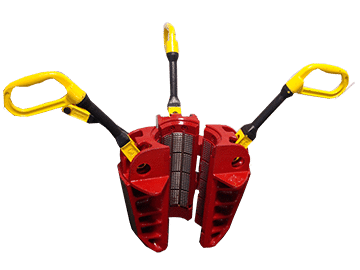
Rotary Slips are indispensable in onshore and offshore drilling operations, securely holding tubulars in place during specific tasks. Whether it’s Drill Pipe Slips, Drill Collar Slips, Tubing Slips, or Casing Slips, AEI Supplies offers a comprehensive range of slips that match various tubular sizes and API specifications, ensuring effective and efficient use in drilling operations.

Safety Clamps

Safety Clamps are essential tools used to install various types of tubulars. Manufactured using high-grade alloy steel, these clamps are hardened, tempered, and tested for controlled hardness to ensure durability and reliability. The multi-link design of our safety clamps provides even pressure around the pipe, reducing the risk of crushing or surface damage. From large-diameter surface casing to drilling risers, AEI Supplies’ safety clamps are designed to meet the diverse needs of the industry.

Drill Collar Slips

Designed to handle drill collars during the running process, Drill Collar Slips aid in centring pipes in the rotary table while protecting the drill collars from damage. These slips conform to API-7K specifications and feature an API taper of 4 inches per foot in diameter, ensuring compatibility and reliability in drilling operations.

Casing Slips

Our dynamic and flexible Casing Slips are designed explicitly for casing pipe operations. With multiple segments that can be easily adjusted to adapt to casing pipes ranging from 5 to 30 inches in outer diameter, these slips ensure a secure grip without risking damage to the pipes. Manufactured to API-7K specifications, our Casing Slips feature circular buttons and flexible handles for easy handling and efficient operation.

Why Choose AEI Supplies?

-Innovative Solutions: AEI Supplies leads the oil and gas industry with innovative, economical, and customer-focused solutions.
-Global Reach: With operations spanning the Middle East, China, North & West Africa, and the USA, AEI Supplies combines international reach with local expertise.
-Quality Assurance: Your ideas are our expertise. We are committed to delivering top-quality products and services that meet and exceed industry standards.

Experience the AEI difference and elevate your oil and gas operations with our premium handling tools. Contact us today to learn more about our products and services.

Handling Tools – AEI Supplies

Contact us now to discover how AEI Supplies can enhance your oil and gas operations with our premium handling tools.

Premium Blowout Preventers & Spares from AEI Supplies

Safeguard Your Operations with Premium Blowout Preventers & Spares from AEI Supplies

Safety and reliability are non-negotiable in the dynamic realm of oil and gas exploration. Every operation demands robust safeguards against the unforeseen, and nothing exemplifies this better than Blowout Preventers (BOPs). AEI Supplies FZE stands as your trusted partner in procuring top-tier BOPs and spares, ensuring the integrity and security of your operations.

What is BOP?

Blowout Preventers (BOPs) serve as the frontline defence against uncontrolled well fluids, preventing catastrophic blowouts that could jeopardize personnel and the environment. Positioned atop the wellhead, these formidable barriers come in various types and sizes, each tailored to specific operational requirements. AEI Supplies offers a comprehensive range of BOPs and annulars and a swift and cost-effective solution for spare parts requirements.

Types of BOPs

Annular BOP:

Featuring a circular sealing element, annular BOPs provide a versatile solution for sealing pipe strings with nominal paths from 0-DN, ensuring superior performance when combined with a ram blowout preventer.

Ram BOPs:

Available in single, double, and shear ram configurations, ram BOPs offer robust sealing mechanisms tailored to diverse operational needs, with working pressures ranging from 2000psi to 15000psi.

Why Choose AEI Supplies?

At AEI Supplies, we prioritize customer satisfaction and safety above all else. Our products are sourced from reputable manufacturers and undergo rigorous quality control measures to ensure reliability and performance. With a deep understanding of the oil and gas industry, we provide personalized solutions that meet your unique requirements while adhering to the highest quality and safety standards.

Comprehensive Support:

Beyond product procurement, AEI Supplies offers comprehensive support throughout the entire lifecycle of your equipment. From technical specifications to order procedures, our team is committed to providing you with the guidance and assistance needed to make informed decisions and maximize the efficiency and safety of your operations.

Global Reach, Local Expertise:

With a global presence spanning the Middle East, China, North & West Africa, and the USA, AEI Supplies combines international reach with local expertise to deliver innovative, economical, and customer-focused solutions. Your ideas are our expertise, and we are dedicated to exceeding your expectations at every turn.

Experience the AEI Difference:

Trust AEI Supplies as your preferred partner for premium blowout preventers and spares. Safeguard your operations, mitigate risks, and ensure the success of your endeavours with our unparalleled products and support services.

Blow Out Preventers & Spares – AEI Supplies

Contact us today to learn more about our products and services and safeguard your operations with AEI Supplies.

Leading the Oil & Gas industry with innovative, economical, and customer-focused solutions. Operating globally in the Middle East, China, North & West Africa, and the USA. Your ideas, our expertise.

  • 🇺🇸 9898 Bissonnet St. STE 375D Houston, TX, 77038.
    🇦🇪 Real Business Centre, Ajman Industrial Area 2.
    🇵🇰 Pakistan

  • Info@aeisupplies.com